

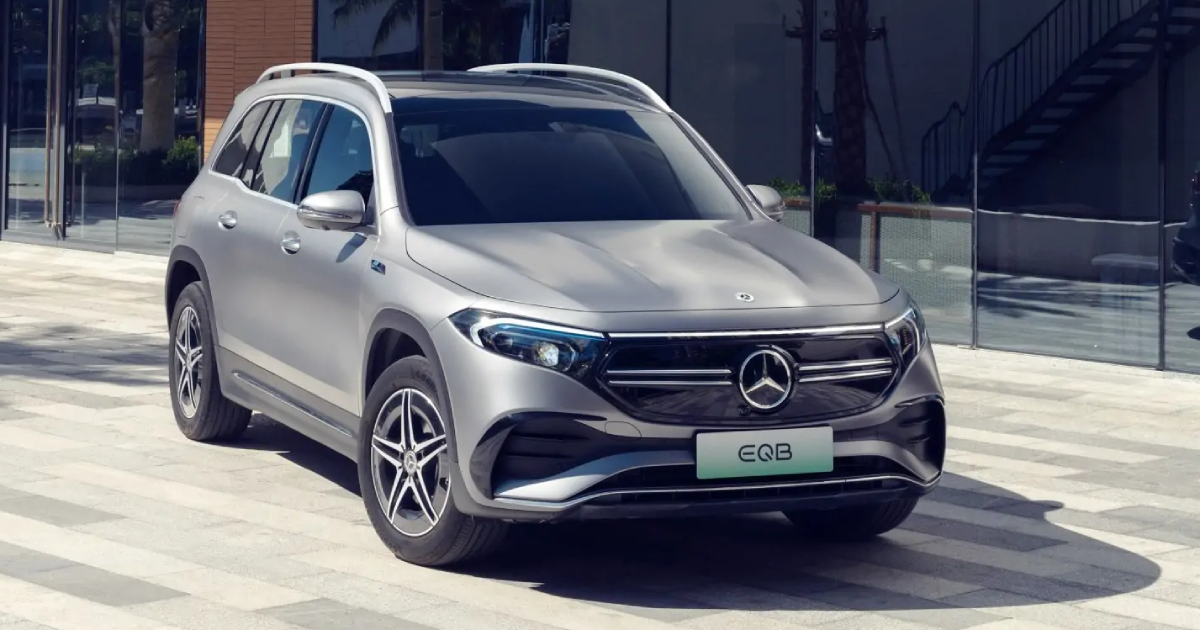
The recall program affects 11,895 vehicles, some of which have already undergone two previous recalls for the same issue.
Previously, the manufacturer attempted to fix the defect using a software update. It was supposed to reduce the risk until the exact cause of the malfunction was determined. However, further analysis, conducted jointly with the Chinese company Farasis Energy — the battery supplier, showed that the software solution does not completely resolve the problem.
Now, the company will replace the high-voltage batteries free of charge. Before the announcement of the new recall, the software update was installed on approximately 74% of the specified vehicles, according to documents filed with the US National Highway Traffic Safety Administration (NHTSA).
The recall applies to 2022–2024 model year vehicles produced from December 13, 2021, to May 9, 2024. The NHTSA report states that the combination of manufacturing characteristics of early batteries and operating conditions can lead to an internal short circuit and an increased risk of fire.
It is noted that individual elements of early production batteries are less resistant to stress compared to later versions. At the same time, a short circuit may occur at a high charge level. Owners of vehicles that have not yet received previous updates are advised to limit charging to 80% and park the vehicles outside until the battery is replaced.
Mercedes-Benz reported two cases of fire in the USA related to this issue. Both occurred with vehicles covered by the service campaign. At the same time, the manufacturer claims that it has not received reports of fires in the USA on vehicles where the software update had been previously installed.
At the end of last year, EQB production was discontinued. The model will be replaced by the new GLB with EQ Technology.
Source: InsideEVs

