

.jpg)
The world has barely recovered from the logistical nightmare of the pandemic era when a new threat looms on the horizon for auto factory production lines. Three weeks of conflict involving the US, Israel, and Iran have already driven oil prices up, forcing governments in many countries to urgently reconsider taxes. But expensive gasoline is just the tip of the iceberg. The real problem may be hidden where ordinary drivers don’t see it: in microchips.
According to a study conducted by the Supply Chain Intelligence Institute Austria (ASCII), a prolonged standoff in the region could trigger a new wave of semiconductor shortages. The issue is not that the Gulf countries themselves assemble the boards, but the critically important components without which the process is technically impossible.
A Gas Trap for Electronics
Specific inert gases are required for semiconductor production: neon, helium, argon, krypton, and xenon. It turns out that this region is one of the key suppliers of such raw materials.
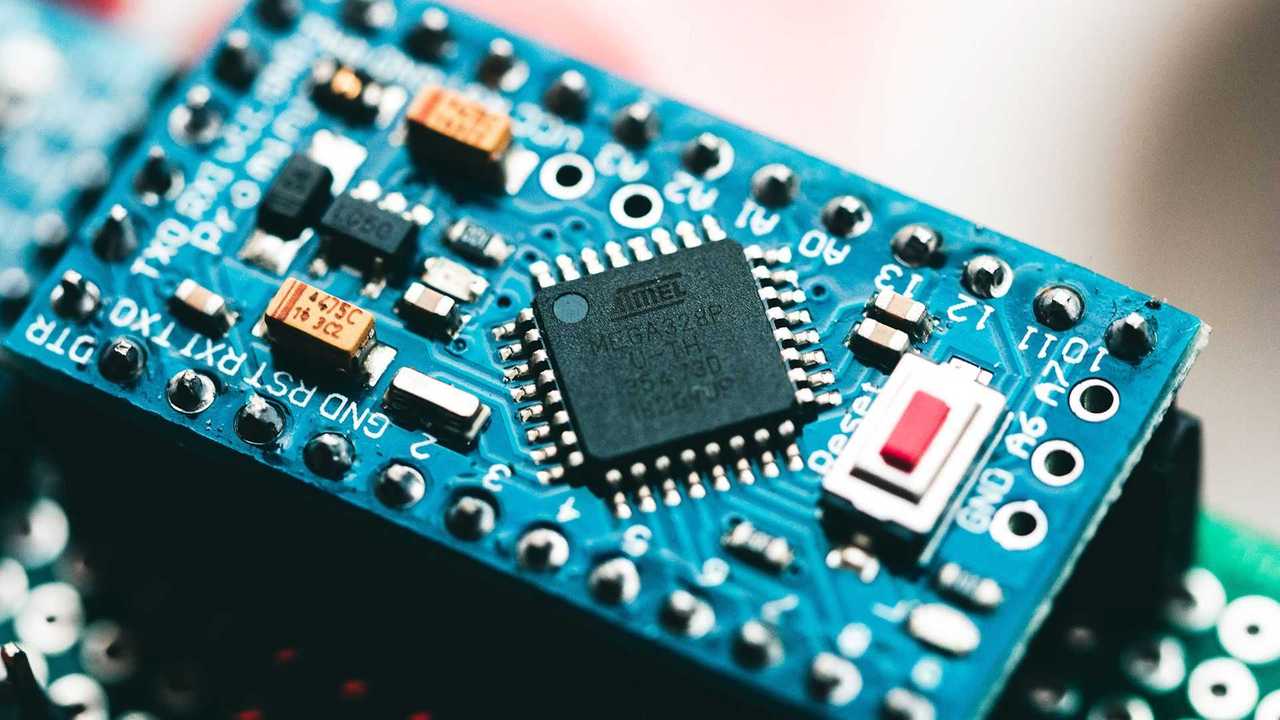 Chip production depends on a stable supply of inert gases. Photo: Motor1
According to analysts, the annual trade volume of special gases in the Gulf countries is around 3 billion US dollars. The absolute leader here is Qatar, which controls approximately 98% of the export of these gases in the region, obtaining them as a byproduct of liquefied natural gas production. If this flow is interrupted, world giants like Taiwan or South Korea will feel it immediately.
Should We Panic Right Now?
ASCII experts note that the situation is troubling but not hopeless. Major chip manufacturers — China, Singapore, Taiwan, the USA, Germany, and Japan — do not rely solely on supplies from Qatar. The world had already passed a similar test in 2022 when, due to the Russian invasion of Ukraine, which provided about 50% of the global neon market, production at plants in Mariupol and Odessa had to be halted.
At that time, the industry proved its ability to adapt: companies found alternative sources, reduced strategic reserves, and rationalized demand.
A new chip market crisis could only arise if the closure of the Strait of Hormuz continues. Although this could create "price pressure and potential short-term distribution difficulties," for now, the availability of alternative suppliers to Qatar along with strategic reserves may contain the market. Unless, in combination with the closure of the strait, further gas extraction disruptions occur in other regions of the world.
Source: Motor1

