

.jpg)
It's news that reverberates like a misfire within the BMW community: AC Schnitzer, the epitome of refined vehicles from Aachen, will cease operations by the end of 2026. After nearly four decades, the KOHL Group is pulling the ripcord. What began in 1987 with a modified E32 of the 7 Series and culminated in legendary DTM races of the E30 M3 now ends with a sober analysis of bureaucratic hurdles and a changing global market. It's not a sudden collapse, but the result of structural disadvantages at the German location.
The slow death by paragraphs
One of the main reasons for the end is as German as the beer purity law: bureaucracy. According to CEO Rainer Vogel, the company is struggling with massive delays in the approval of new components. While international competition – often from the USA or Asia – offers tuning parts immediately after the market launch of a new BMW model, German refiners remain stuck in the waiting loop of the Federal Motor Transport Authority (KBA). It often takes eight to nine months for component assessments or a General Operating License (ABE) to be available.
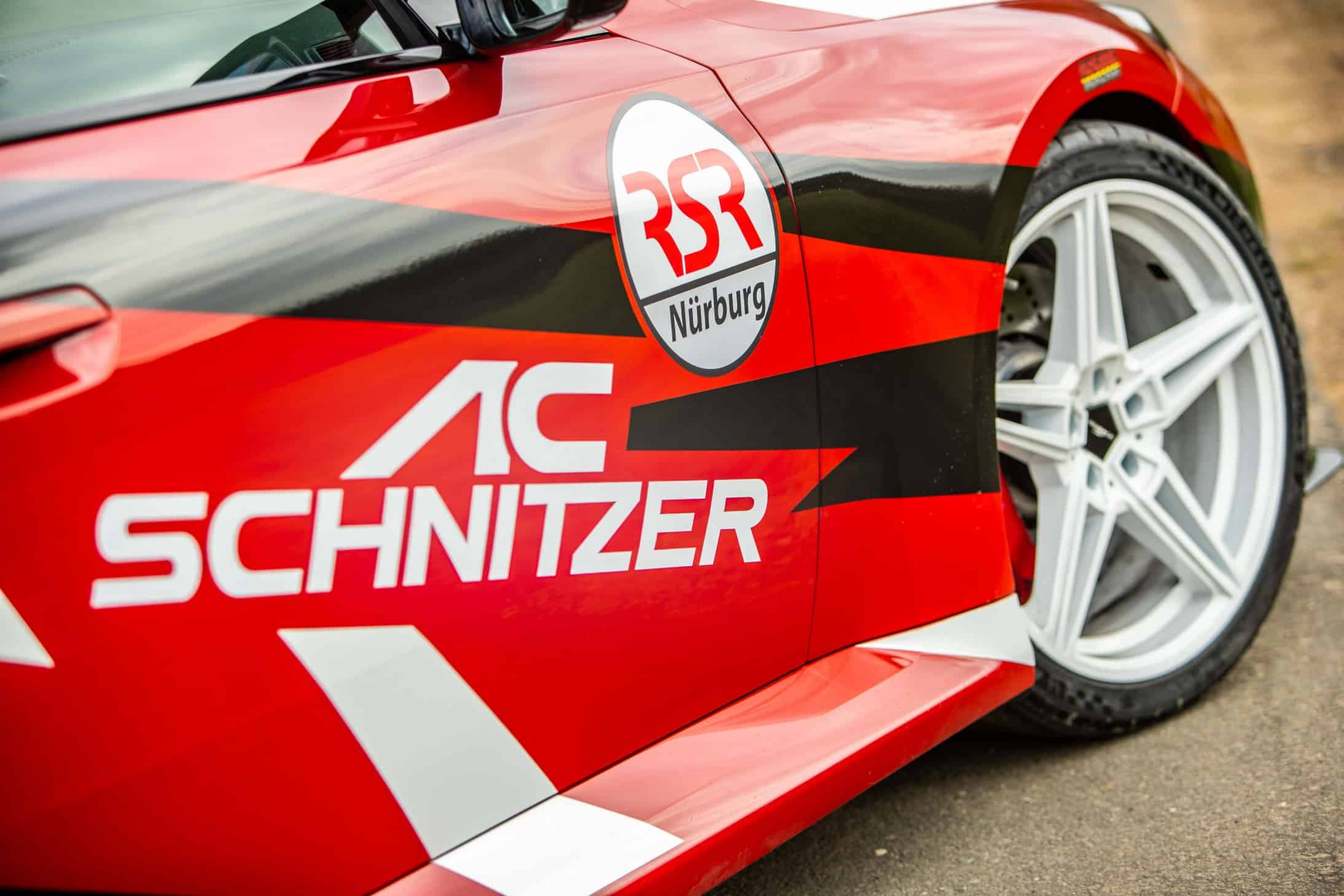 BMW M2 G87 Refinement. Photo: AC Schnitzer
In an industry where the first wave of excitement from buyers determines success, this delay is deadly. If the customer wants to personalize their new vehicle, they will not wait three quarters for a German quality product when the global market already offers alternatives. This regulatory location disadvantage has systematically undermined AC Schnitzer's competitiveness. In addition, rising raw material prices and volatile exchange rates make calculations increasingly impossible for a medium-sized company.
The generational question and the electric dilemma
In addition to the tough economic facts, social change plays a decisive role. The emotional attachment to automobiles has shifted. Vogel openly admits that it has failed to inspire the young generation for sporty driving and technical tuning in the same way as their fathers. The classic "Lower, Wider, Faster" loses its appeal in a world of car sharing and speed limit debates. The tuning culture, as we knew it, is a model on the way out.
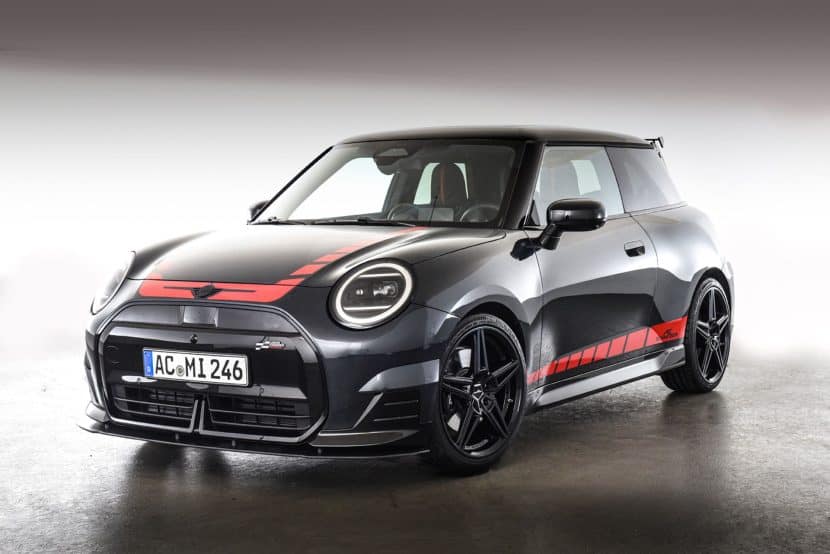 Electric Mini by Schnitzer. Photo: AC Schnitzer
The transformation to electromobility also poses existential questions for the industry. Much of AC Schnitzer's fascination was based on the optimization of combustion engines and the sound of exhaust systems. Although the tuner has already developed programs for electric models such as the BMW i5 or the Mini Cooper Electric, the target group for EV tuning is currently still very small. The business model, which was based on mechanical perfection, is difficult to transfer into a purely digital software world where manufacturers like BMW increasingly sell their performance upgrades "over-the-air" themselves.
What remains for customers and the location
For owners of a Schnitzer-BMW, there is a temporary all-clear: the sale of the warehouse will continue until the end of 2026, and the KOHL Group guarantees the supply of spare parts and warranty processing beyond this period. Nevertheless, the end of AC Schnitzer is a warning signal for the entire German supplier industry. When even a traditional brand with the closest connection to BMW dealer networks succumbs to the pressure of bureaucracy and market change, it shows the cracks in the foundation of Germany as an automotive location.
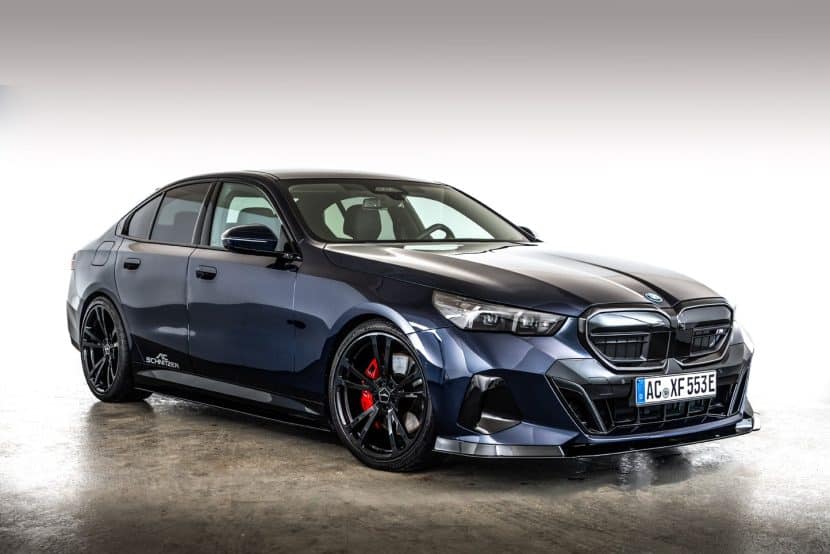 BMW i5 Electric Tuning. Photo: AC Schnitzer
Whether the "AC Schnitzer" brand name survives through a sale to an investor remains to be seen. However, it would hardly be the same without the engineering from Aachen. In the end, the realization remains that quality alone is not enough when the framework conditions and the zeitgeist work against you.

