

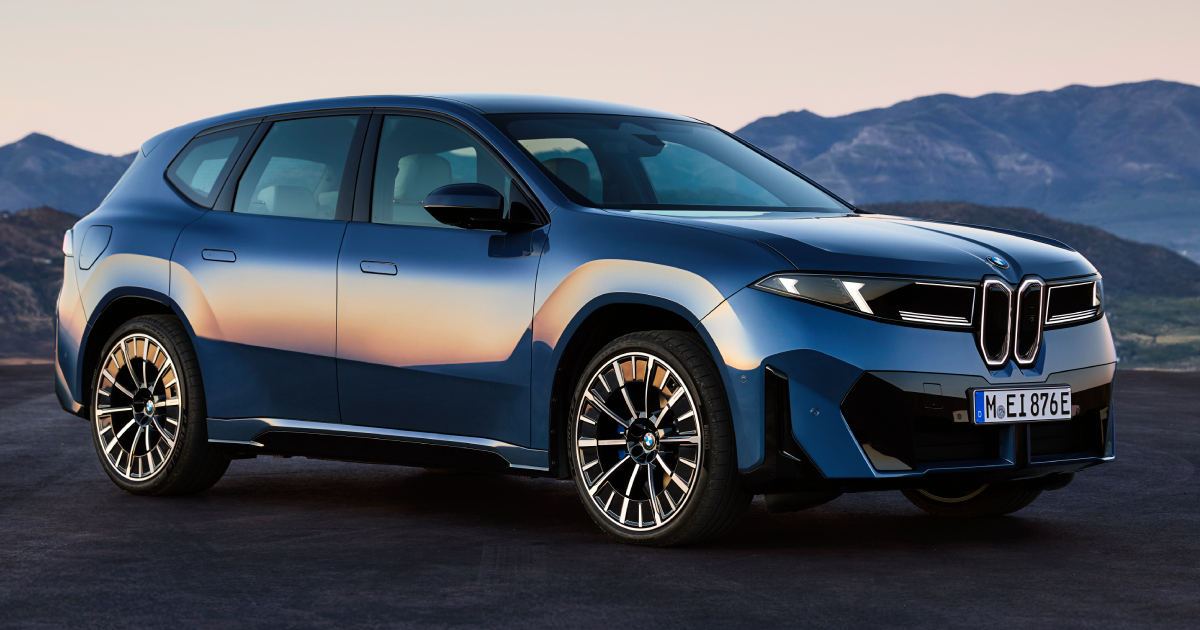
This year's New York Motor Show started with good news for the Bavarians. The new generation BMW iX3 took the main award «World Car of the Year 2026», and also secured the title of best electric vehicle.
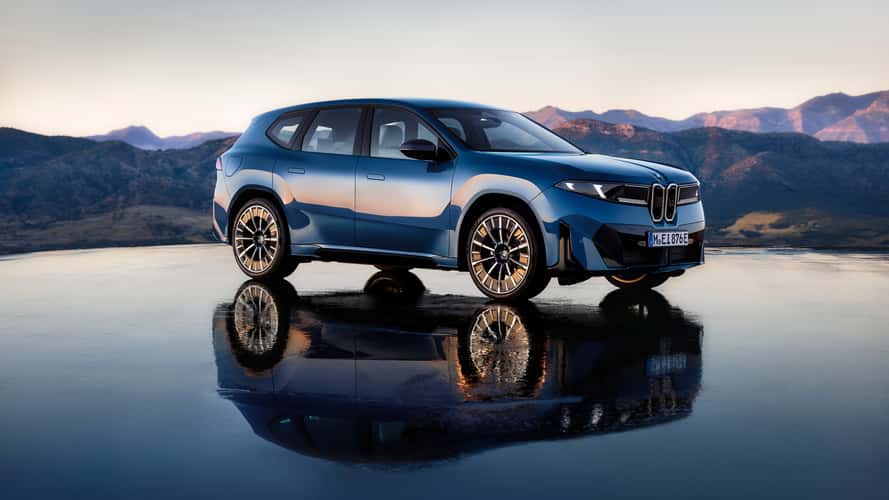 New electric crossover BMW iX3. Photo: BMW
Triumph of the new architecture
The victory of the iX3 is primarily a triumph of engineering. Unlike its predecessor, which was a compromised electrification of the fuel-powered X3, the new model is built on an exclusively «electric» chassis. This enabled the Bavarians to implement an 800-volt system, ensuring charging speed previously only dreamed of. Now it's possible to gain 300 km of range in just 10 minutes if you find a suitable station.
The jury, which includes over 100 journalists from around the world, noted not only the raw numbers. The car's handling played a crucial role. Despite the battery weight, the BMW iX3 feels like a lively car rather than a heavy iron on wheels. The new generation of batteries allows more than 600 km of travel on a single charge according to the WLTP cycle.
Competitors and other nominations
The race for the title was fierce. In the finals, the BMW iX3 edged out the Nissan Leaf and Hyundai Palisade. However, the balance between technology and daily practicality tipped the scales in favor of Munich. The full list of winners has already been published on the official World Car Awards website.
Apart from the main award, the awards were distributed as follows:
- Best luxury car: Lucid Gravity
- Best sports car: Hyundai Ioniq 6 N
- Urban car of the year: NIO firefly
- Design of the year: Mazda 6e/EZ-6
Oliver Zipse, Chairman of the Board of BMW Group, received the award "Person of the Year in the Automotive World".
The jury and rules
The jury for the World Car Awards 2026 consisted of 98 automotive journalists from around the world. Cars eligible for the title of "World Car of the Year" must be produced in volumes of at least 10,000 units per year, priced below the level of luxury cars in their primary markets, and be on sale in at least two primary markets (China, Europe, India, Japan, Korea, Latin America, USA) on at least two continents between January 1, 2025, and March 30, 2026.

