

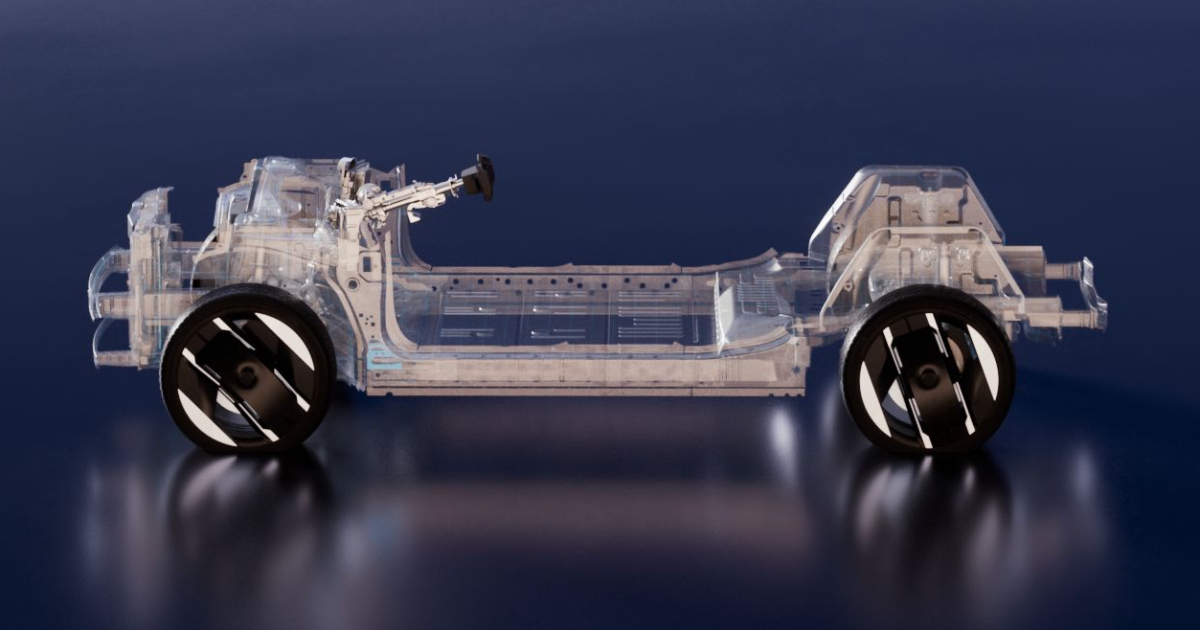
Stellantis is consolidating five separate vehicle platforms into a single modular architecture called STLA One, set to debut in 2027 and eventually underpin more than 30 models. The company says it will build over 2 million vehicles on the platform annually by 2035. For the US, the pitch is straightforward: 9 models priced under $40,000 by 2030, including 2 under $30,000 — mainly from Jeep and Ram.
A rough few years first
The timing matters because Stellantis has had a bruising run in the US. The electric Jeep Wagoneer S and Dodge Charger Daytona launched with software problems that hurt early reception. The company then pulled the Jeep Wrangler 4xe, Cherokee 4xe, and Chrysler Pacifica plug-in hybrid from the US market, citing regulatory shifts and a strategic refocus on profitable internal-combustion engine trucks and SUVs.
STLA One is the foundation of what Stellantis calls its next product cycle — and affordability is the stated priority this time.
What the platform actually does
STLA One replaces five existing architectures with one scalable system covering the B (subcompact), C (compact), and D (mid-size) segments. The 800-volt electrical system — which charges faster than the more common 400-volt setup — is built in from the start, not retrofitted.
Battery chemistry shifts to LFP (lithium iron phosphate), which avoids expensive nickel and cobalt. LFP has historically trailed on energy density, but recent advances have narrowed the gap on range and charge speed. Stellantis also plans cell-to-body integration, where battery cells are built directly into the vehicle's structure rather than packaged into separate modules — reducing weight, freeing up interior space, and lowering manufacturing costs.
The company targets 20% cost savings through shared engineering and claims 70% component reuse across models by 2030, per the Stellantis Official STLA One Release.
US angle: price and scale
Stellantis projects 35% volume growth in North America, reaching 1.9 million vehicles annually on STLA One. Jeep and Ram are the primary recipients of investment; Dodge and Chrysler participate in the platform's cost advantages but receive fewer dedicated resources.
On the tech side, Qualcomm's Snapdragon Digital Chassis handles the infotainment and digital cockpit. For driver assistance, Stellantis is partnering with UK-based AI startup Wayve to develop a hands-free driving system — supervised by the driver, comparable to Tesla's Full Self-Driving (a Level 2 driver-assistance feature, not autonomous driving).
Whether STLA One models will use NACS (the Tesla-developed connector now becoming the US standard) or CCS1 has not yet been confirmed. IRA Section 30D eligibility — the $7,500 federal EV tax credit — will depend on where each model is assembled and where its battery content originates, details Stellantis has not announced, per Euronews – FaSTLAne 2030 Details.
What's still missing
Specific model names, EPA-rated range figures, and confirmed pricing haven't been released. The 2027 launch is close enough that those details should surface within the next few quarters. For buyers considering a Jeep or Ram EV purchase now, the honest read is: wait-and-see has more upside than it did 12 months ago.

