

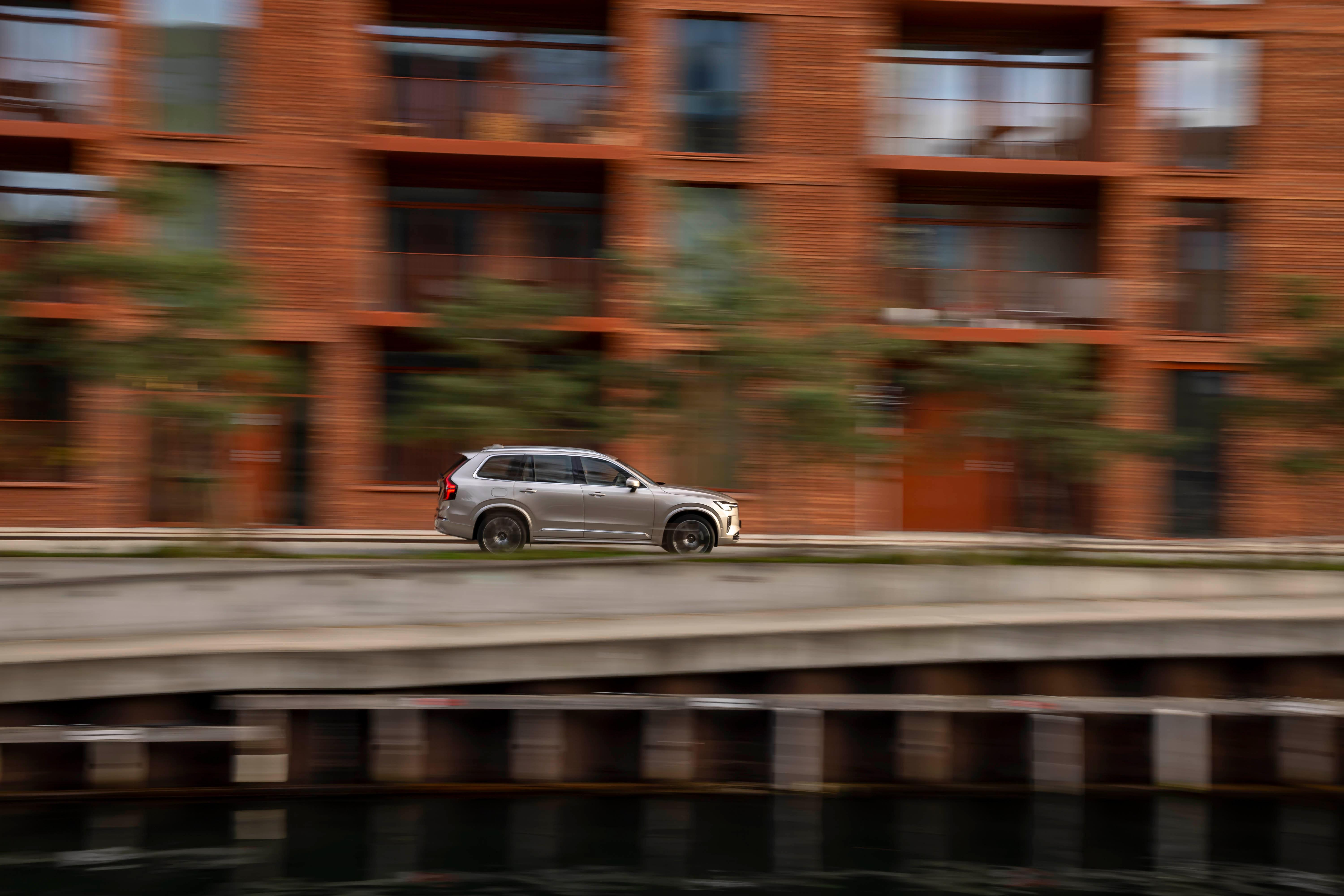
Volvo Cars and NVIDIA, partnership on automated driving. Photo: Volvo
Volvo plans to offer hands-free, point-to-point automated driving by 2030, starting with its latest-generation models. The Swedish car maker is integrating Nvidia’s Hyperion platform into those models to handle routine driving from departure to destination without constant input from the driver.
The ambition is described as a step towards “eyes-off, mind-off” driving, although no date has been attached to that stage. For now the technology is presented as a Level 2++ system, a label of Volvo’s own rather than a rung on the official SAE scale. The software is meant to negotiate complex urban routes without explicit intervention from the driver.
Urban navigation without lidar at launch
The system is aimed squarely at city streets. It is designed to deal with traffic lights and stop signs, and to take unprotected left turns across oncoming traffic.
The hardware choice is just as telling. The initial configuration arrives without lidar, and the Nvidia architecture keeps the option of adding the sensors later, should Volvo decide to do so.
A reset after earlier automation setbacks
The Nvidia partnership comes after two setbacks. Volvo developed a Level 3 system called Ride Pilot, but effectively shelved the project in the United States after it failed to win regulatory approval. Plans to fit lidar to selected production models were dropped after sensor supplier Luminar went bankrupt.
Volvo has not named the models that will get the new system first, though it intends to eventually offer it across its passenger car line-up. Rivals are moving the same way: Mercedes-Benz said in 2024 that it would offer an Nvidia-based Level 2++ hands-off system as an option on the third-generation CLA, starting in North America.

