

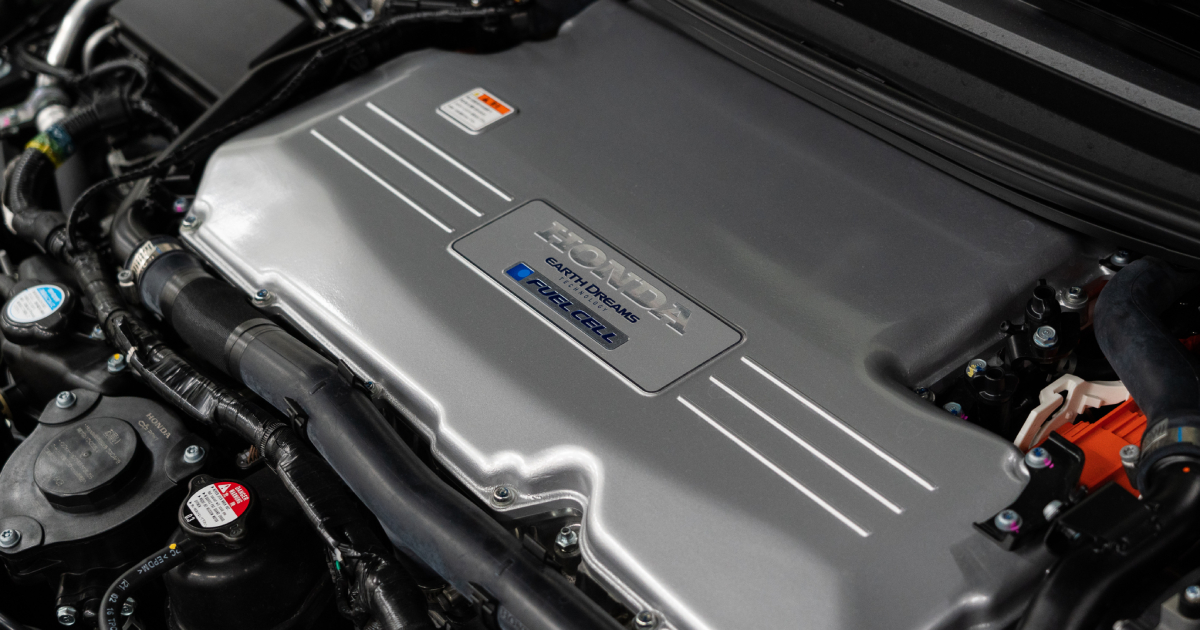
Honda announced that it will stop producing hydrogen fuel cells at the Fuel Cell System Manufacturing plant in Brownstown, Michigan, by the end of 2026. The facility was established as a joint project with General Motors and operated for only two years — serial production started in January 2024.
Honda's decision is a logical continuation of changes on GM's part. Last fall, the American auto giant announced that it is winding down the development of next-generation fuel cells for the Hydrotec brand, admitting that the path to a sustainable business in this area is "long and uncertain." The problems remain unchanged year after year: the high cost of technology and extremely weak infrastructure.
For context, there are currently more than 250,000 Level 2+ charging stations for electric vehicles in the US, whereas there are only 61 hydrogen refueling stations. In such conditions, the commercial success of hydrogen passenger models remains in question.


Honda CR-V eFCEV
Honda does not disclose details of the negotiations with GM but confirms that the parties have agreed to completely stop production of fuel cells at the joint plant. About $85 million was invested in the project, and its closure effectively spells the end for the Honda CR-V e: FCEV's future.
This crossover entered the market in 2024 and is available for lease in California. It is equipped with an electric motor on the front axle, a 17.7 kWh battery, and a 9.5-pound (4.3 kg) hydrogen tank. The total output of the system is 174 hp (130 kW), and the EPA range is 270 miles (435 km).
At the same time, Honda does not intend to completely abandon hydrogen. The company has already developed a new generation of fuel cells independently and continues to consider this direction promising.
Source: Honda

