

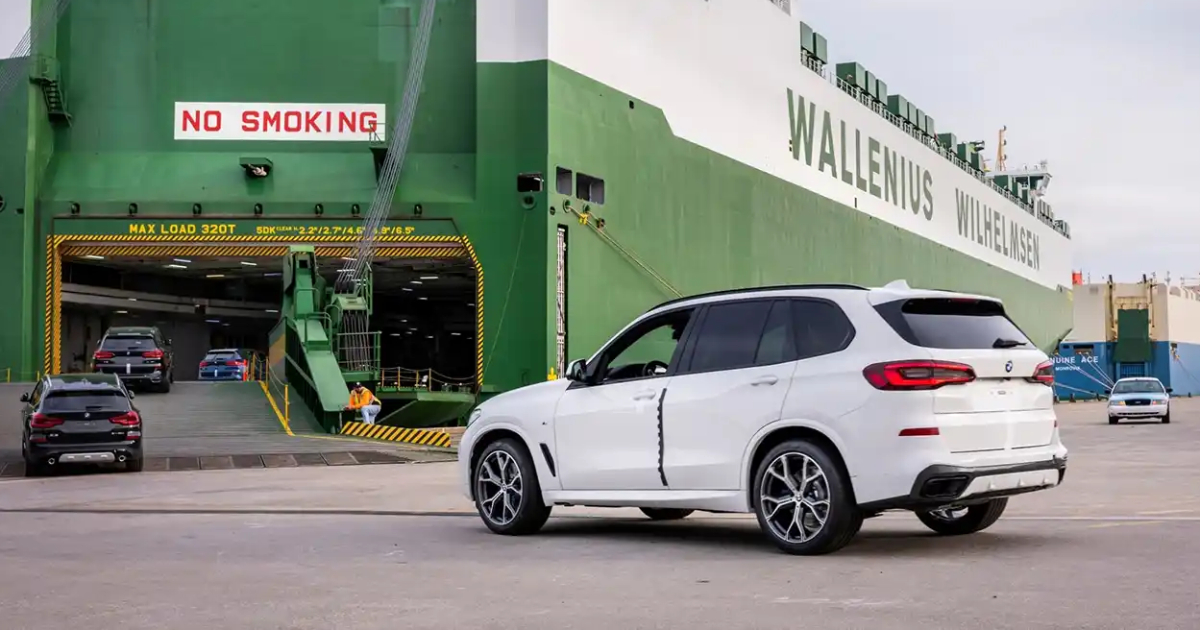
BMW published its financial report for 2025, and if you were looking for signs of stability there, you will find it only in one — in the frequency of mentions of the word «tariffs». It appears in the document 53 times. The Bavarian company did not specify the exact amount of losses in «live» money, limiting itself to a dry phrase about the reduction in EBIT margin in the automotive segment by approximately 1.5 percentage points. However, analysts have already managed to translate this corporate language into understandable figures.
The cost of protectionism in numbers
Philippe Houchois, an analyst at Jefferies, estimated that these 1.5% margin are equivalent to approximately 1.4 billion euros or 1.6 billion dollars. These are net losses that the company had to pull out of its pocket due to new rules in world markets. And although 2025 is already in the past, relief is not forecasted: in 2026, tariffs may cost the brand another 1.2 billion euros.
As noted by Automotive News, BMW found itself between two fires. On the one hand — the tough US policy, on the other — EU anti-subsidy duties. The company hoped that the tariff on car imports and parts to the European Union would drop from 10% to zero, but the miracle did not happen. The Bavarians still believe in a better future and predict a reduction in burden in the second half of 2026, particularly on shipments from Mexico and Canada to the US. It is this optimism that explains why analysts’ forecast for this year is somewhat less gloomy than last year’s results.
Spartanburg as a hostage of global trade
To understand the scale: BMW is the largest exporter of cars from the US by value. The plant in Spartanburg shipped vehicles worth over 9 billion dollars abroad. When you produce so much machinery in one country to sell in another, any change in customs declarations hits the balance harder than any semiconductor crisis.
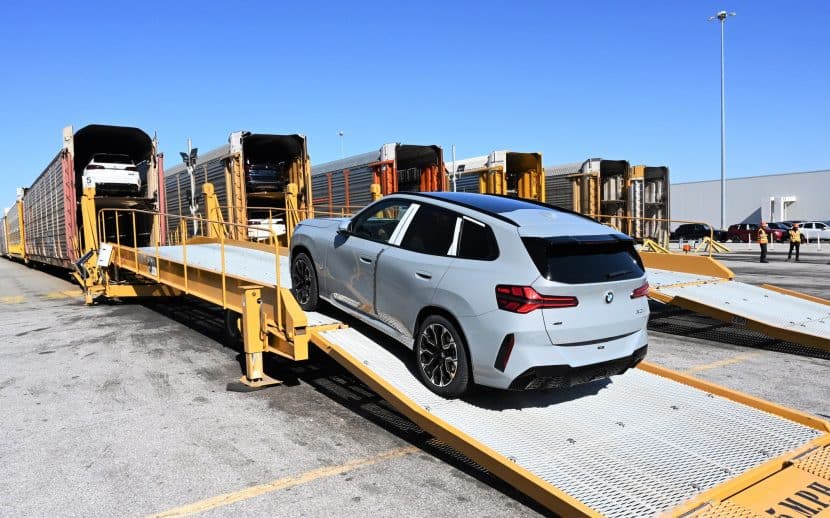 BMW SUVs ready for export. Photo: BMW Group
However, BMW is not the only one suffering from «tariff fever». The entire European car industry paid over 6 billion dollars for political decisions in 2025. The situation in other companies looks like this:
- Volkswagen: absolute record holder with losses of 2.9 billion euros, with just the Audi share accounting for 1.2 billion euros
- Stellantis: lost 1.2 billion euros in 2025 and expects costs to rise to 1.6 billion euros in 2026.
- Mercedes-Benz: traditionally remains silent about specific amounts but has already warned investors that expenses due to duties will only grow
Against this chaos, Volvo’s strategy looks the most pragmatic. The Swedish brand is actively implementing the principle of «build where you sell». This allows minimizing cross-border costs but requires colossal investments in local production. For BMW, whose business model has been built on global exports from several key hubs for decades, such a turnaround will be painful and expensive.
Currently, car manufacturers are in standby mode. If the promised easements in the second half of the year do not occur, the figures in the financial reports for 2026 may become even more «impressive». For now, one thing is clear: trade wars ultimately cost not only the manufacturer but also the buyer, because including such expenses in the car price is only a matter of time.

