

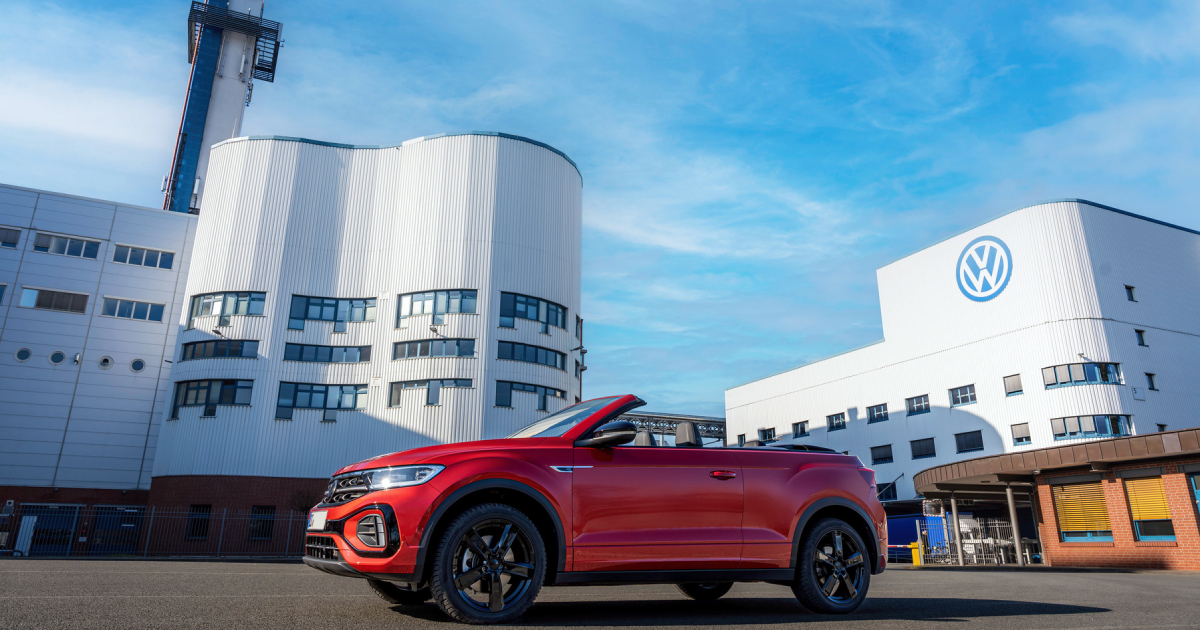
Volkswagen seems to have found a radical way to save its plant. Instead of trying to squeeze another electric vehicle into the lineup, the company is considering switching to "heavy metal" in the literal sense. As reported by Financial Times, the German corporation is in talks with the Israeli company Rafael Advanced Defense Systems about manufacturing components for air defense systems.
The End of the Car Era
Currently, the Volkswagen T-Roc Cabrio, a specific and not too widespread car, is assembled in Osnabruck. Its life cycle ends in July 2027, and no direct successors are planned. This site previously belonged to the Karmann atelier, and it has always specialized in small-scale and complex projects. However, in an era of strict savings and total electrification, maintaining a whole plant for the sake of one model is an unaffordable luxury for the Volkswagen Group.
Israeli "Shield"
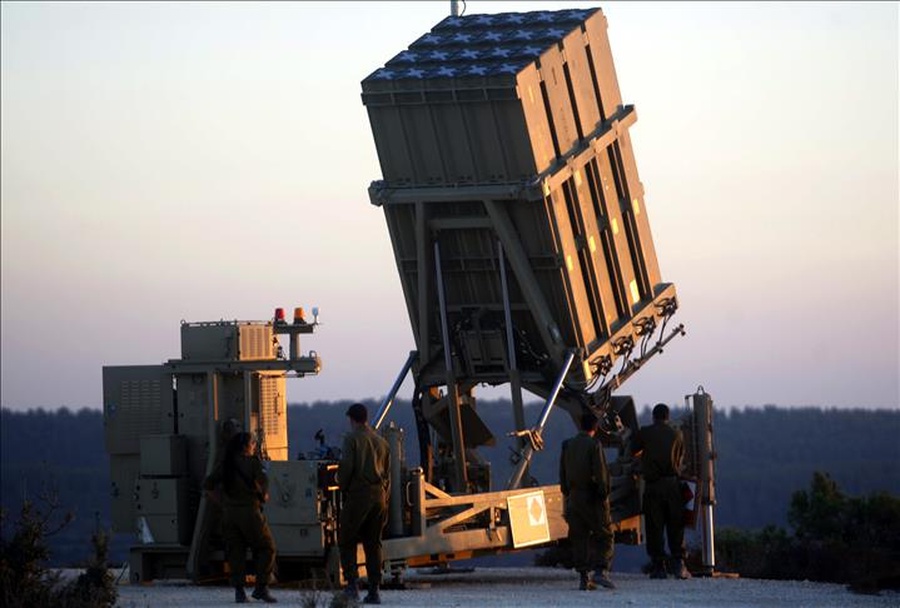
Currently, the discussion is about manufacturing components for the famous Iron Dome system. If the negotiations are successful, mobile launchers and specialized trucks will be assembled in Osnabruck. Ammunition is likely to be produced at a separate new facility, also in Germany.
Money, Politics, and Jobs
Why does this matter? Firstly, it is a rescue for personnel. The re-profiling will allow the staff to be retained and even expanded, as demand for defense products is currently breaking records worldwide. The German government plans to spend more than 500 billion euros on defense by the end of the decade. Secondly, Volkswagen already has experience in this field through the MAN and Rheinmetall joint venture, which supplies trucks to the Bundeswehr. Official Berlin, according to sources, fully supports this initiative.
Fast Conversion
Experts estimate that the conversion of the plant will take 12-18 months. This is faster than developing and launching a new car model from scratch. However, the last word belongs to the unions - the workers have to decide for themselves if they want to become part of the military-industrial complex. A company spokesperson confirmed negotiations with various market players but emphasized that no final decision has yet been made about the future of the Osnabruck site.

