

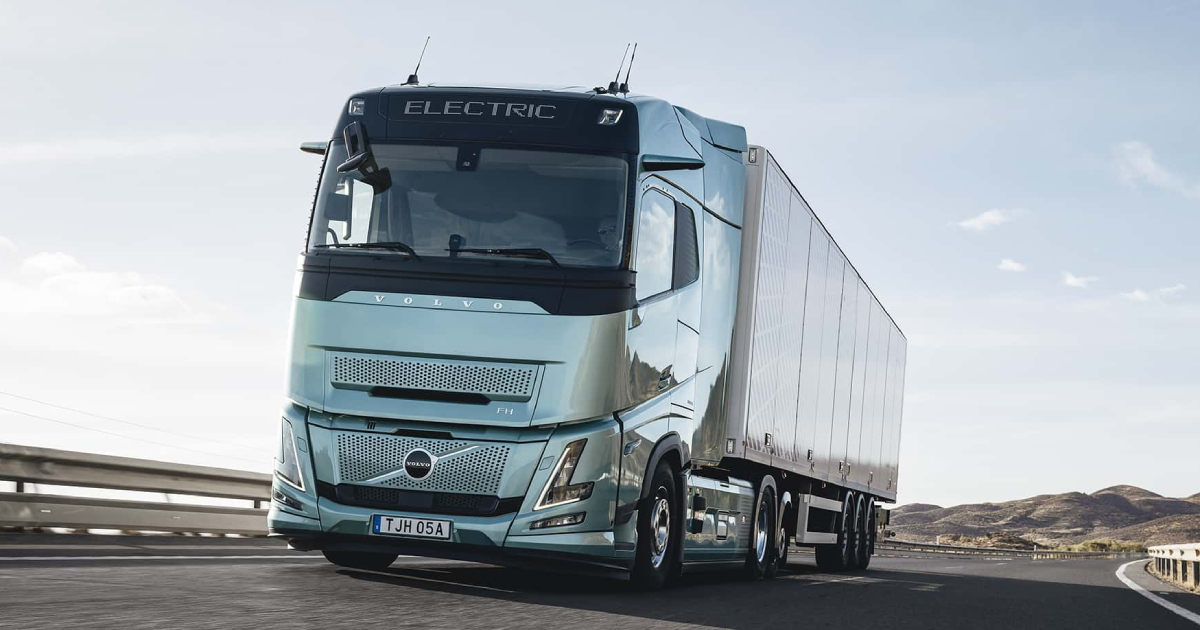
How did the Swedes manage to achieve such a figure? It's not just about increasing the number of batteries, but about smart configuration. Volvo Trucks has introduced a new architecture with the so-called e-axle (electric axle). This solution integrates the electric motors and transmission directly into the rear axle. This approach freed up a lot of space on the frame, where engines used to be located, and that space was precisely allocated for additional batteries.
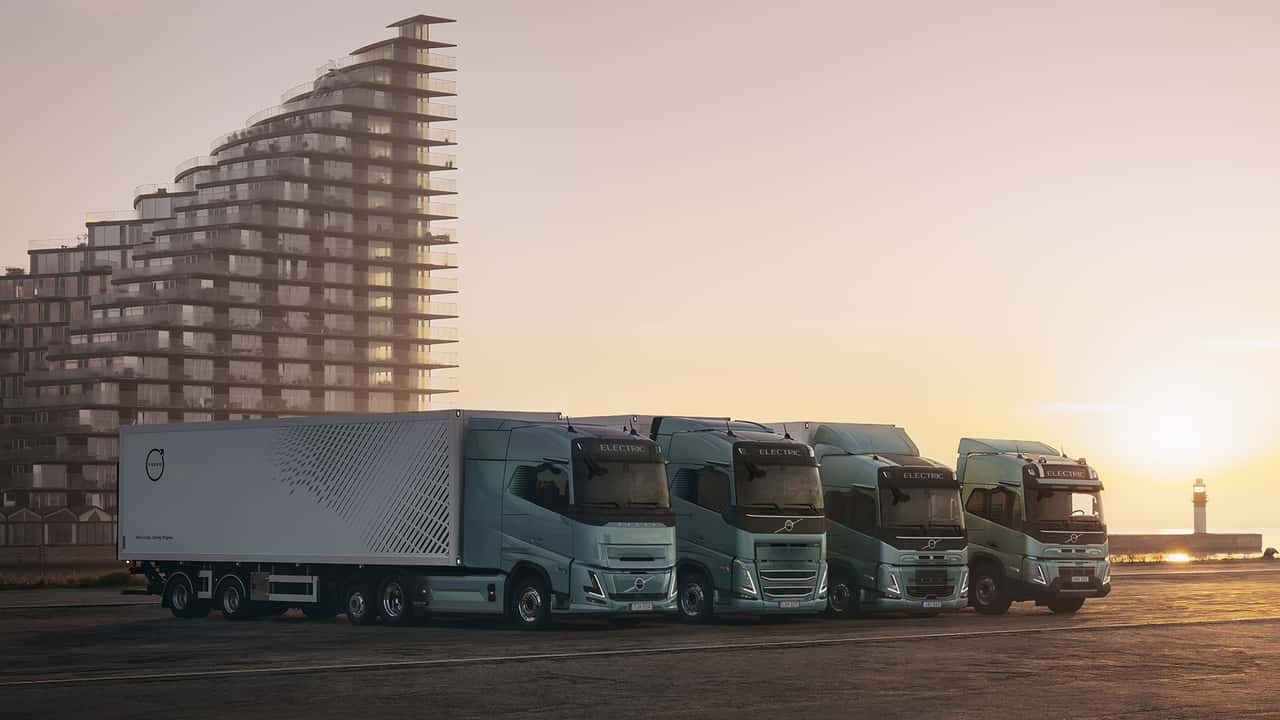 Photo: Volvo Trucks
In terms of aerodynamics, the FH Aero lives up to its name: the elongated cab front allows for better air slicing, which is critically important for energy efficiency at high speeds. The total weight of the road train can reach 48 tons, with a payload capacity of about 28 tons. These parameters allow for hub-to-hub operation without frequent stops at "charging stations."
Megawatt charging: 50 minutes for everything
The problem of long queues for charging is the carrier's main fear. Here, Volvo Trucks bets on compatibility with the new MCS (Megawatt Charging System) standard. This allows the battery to be "refueled" from 20% to 80% in about 50 minutes. This is effectively the mandatory driver break time according to European standards. If the familiar CCS2 standard is used, the procedure will take 85 minutes. The power of the powertrain reaches 460 kW.
Versatility for construction and logistics
FM and FMX Electric models have also received their portion of upgrades. Although their range is more modest - up to 470 km, they offer something else: maximum weight of up to 65 tons and flexibility. The new eight-speed gearbox paired with a dual motor provides smooth running, which diesel counterparts could only dream of.


Photo: Volvo Trucks
An important technical nuance: the power take-off (PTO) shaft is now integrated directly into the transmission. This allows powering cement mixers, hydraulic systems, or garbage trucks without installing additional engines. The truck can drive and perform work operations simultaneously, significantly increasing the overall efficiency of the machine.
Volvo Trucks plans to put these innovations on the road by 2026.

