

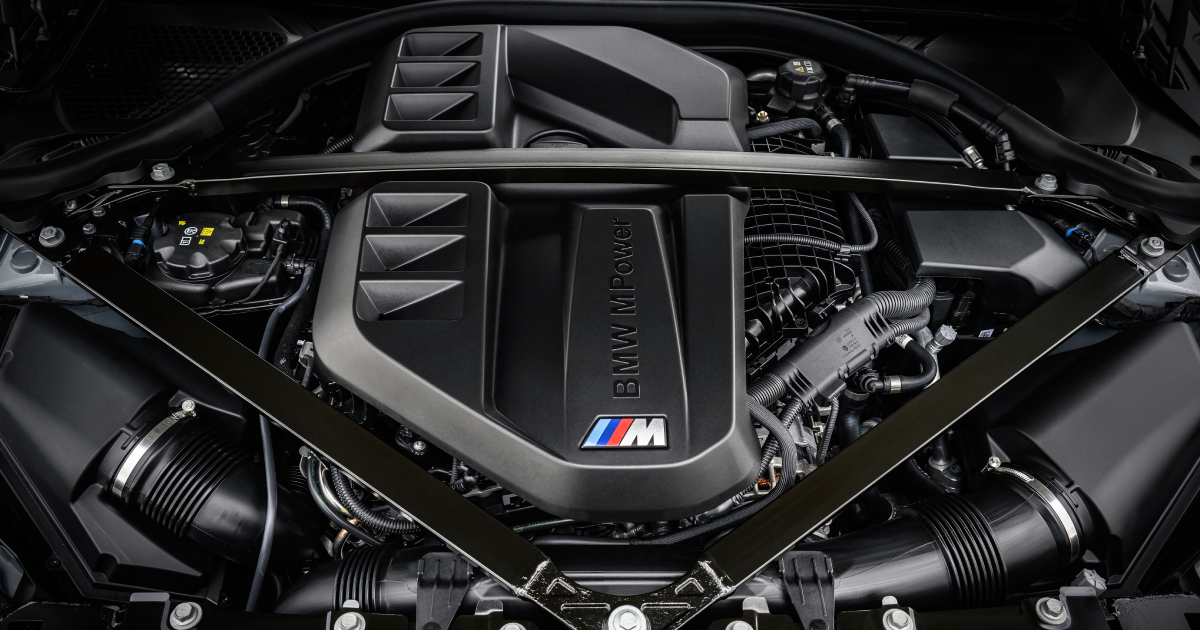
BMW M has no intention of abandoning the inline six-cylinder engine. The division confirmed this several years ago and has now demonstrated a technical solution that will keep the S58 engine in production. This 3.0-liter twin-turbo engine is installed in the M2, M3, and M4 models.
Ignition from motorsport
The technology has been given the marketing name BMW M Ignite. Essentially, it is a pre-chamber ignition system (or torch ignition) adapted from racing engines. This special type of combustion chamber design is intended to improve the ignition of the fuel-air mixture, especially if it is lean or non-uniform.
The pre-chamber is located in the cylinder head. It is connected to the main cylinder combustion chamber by transfer holes. The pre-chamber has its own spark plug and ignition coil, meaning the engine has two ignition systems.
How it works
At low and medium speeds, the ordinary spark plug in the main combustion chamber ignites earlier than the spark plug in the pre-chamber. But when the engine is running at higher speeds and loads, pre-chamber ignition takes the lead role, with part of the fuel-air mixture fed through openings into the pre-chamber also igniting there. The resulting flame exits the pre-chamber at a speed roughly equal to the speed of sound.
These igniting jets then ignite the mixture in the main combustion chamber above the piston at several points simultaneously. The result is a significantly higher combustion speed. At the same time, the potential cause of uncontrolled combustion, namely "knocking," is also effectively eliminated. An additional benefit of this technology is the reduction of exhaust gas temperatures.
Other new technical features, along with pre-chamber ignition, include a higher compression ratio and turbochargers with variable turbine geometry.
Lower consumption - without power loss
The BMW M Ignite technology increases the efficiency of inline six-cylinder engines, especially when the engine is operating at its limits. BMW also claims that under high loads, fuel consumption drops significantly. Most importantly, the power of the upgraded S58 engine remains at its current level.
For modern sports engines, this is already almost a luxury, as many manufacturers are forced to sacrifice performance to meet environmental standards.
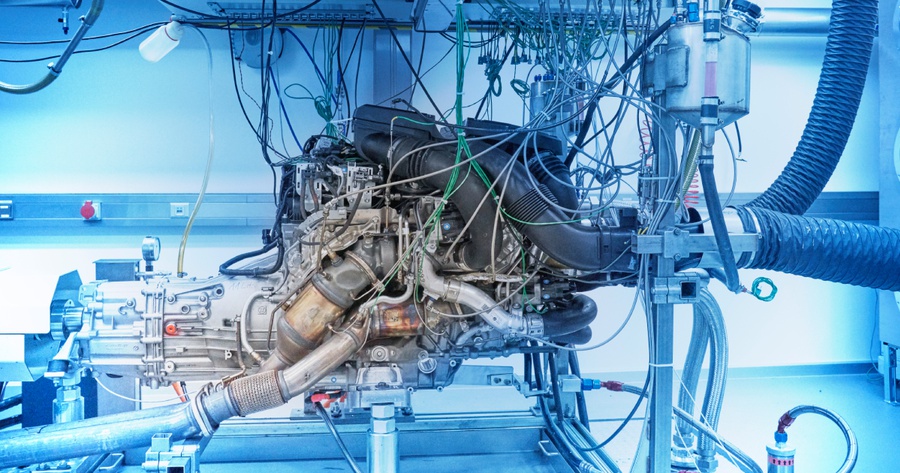
M3 and M4 will get the system first
The M3 and M4 will be the first to receive BMW M Ignite, with production starting in July. The M2 will join a month later, even before the full entry of Euro 7 into force in November.
The situation is more complicated with V8
In comparison, the V8 S68 engine in the European M5 and XM has already had to be "strangled." Since March, the 4.4-liter twin-turbo petrol with factory settings has delivered 41 hp less to meet new environmental requirements.
However, BMW has compensated for this with a more powerful electric motor in the hybrid system, so the total output of the models has not changed.
M engines are here to stay
After adapting the inline six and V8 to Euro 7, BMW has the opportunity to continue selling M models in Europe without a radical overhaul of its engine lineup.
Future models are already named, including the next generation M3 (G84) and the new X5 M (G95). In addition, the V8 S68 will remain in the M Performance models, specifically in the future M760.

