

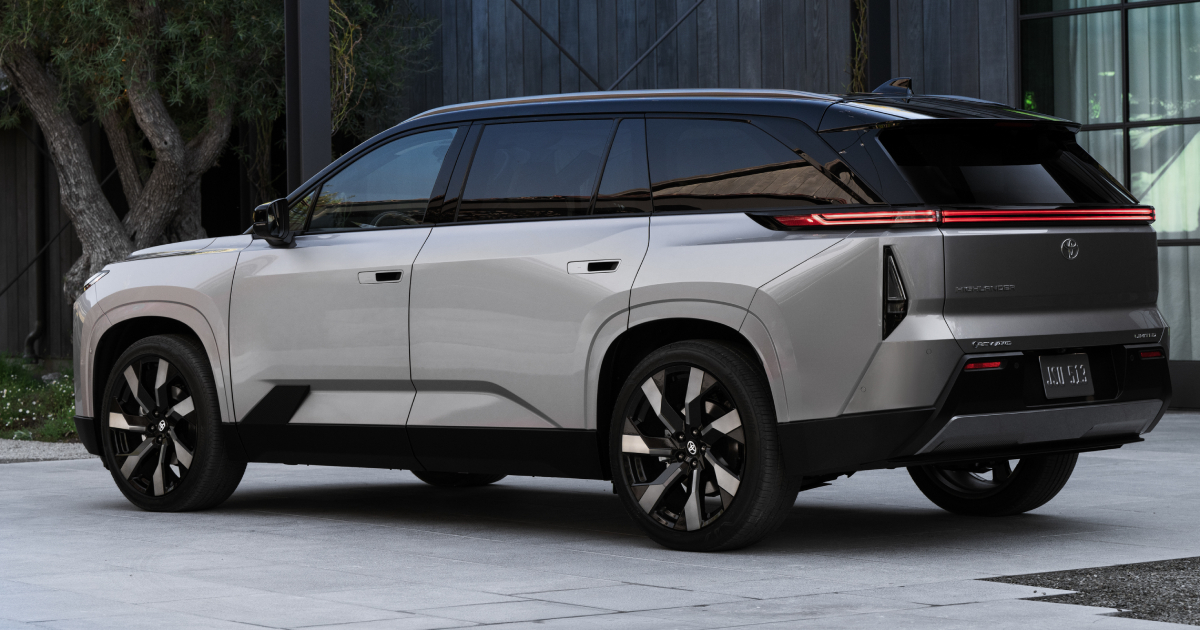
Toyota has filed a US patent for a flush door handle that rotates partially when activated, creating a finger-grip recess instead of a flat, hard-to-grab surface. The filing — USPTO application No. 20260139527 — arrives as federal safety investigators are actively looking into electronic handle failures on some of the most popular EVs on the road, and as lawmakers push for a law requiring power-independent emergency releases.
The safety backdrop
NHTSA complaints about electronic door handles rose 65% in 2024 compared to the prior year. The agency has opened investigations covering the Tesla Model Y, Cybertruck, and Dodge Journey — vehicles where handles reportedly failed to open after a crash or a loss of electrical power. Early in 2026, Congress introduced the SAFE Exit Act, directing NHTSA to set binding standards for manual door releases that work even when the car's electronics go dark.
Flush handles offer real but modest aerodynamic benefits — roughly 0.3–1.5% drag reduction — which matters for EV range. That keeps automakers from abandoning the look entirely. The problem is usability: they can be slippery, awkward in gloves, and nearly impossible to operate after a serious collision. China has already responded with regulation: starting January 1, 2027, new vehicles sold there must include a mechanical backup opening system. No equivalent US rule exists yet, but the SAFE Exit Act signals that could change.
What Toyota's design actually does
The patent describes a handle recessed flush with the body panel that, upon activation, rotates to open a gap between the handle and the door skin. That gap gives fingers a natural purchase point — closer to how a traditional pull handle feels — without adding visual bulk to the body line. Toyota has used a similar partial-extension concept on the current Highlander, and this patent appears to develop that idea further.
The practical benefit extends beyond convenience. Older drivers, anyone with reduced grip strength, or a first responder trying to reach an occupant after a crash would all have a better chance with a handle that provides a clear grip point rather than a smooth panel to claw at.
No production date, but the direction is clear
A patent filing is not a production commitment. Automakers file hundreds of patents annually that never reach a showroom. Toyota has not confirmed which future model, if any, would use this mechanism, and the company describes the design as a possible direction rather than a firm plan.
Still, the industry is moving. Volkswagen's CEO publicly criticized flush handles in September 2025, promising simpler, more conventional designs on upcoming VW EVs. China's 2027 mandate means any automaker selling there — including Toyota — will need a compliant emergency-release system within roughly two model cycles. A rotating handle that satisfies everyday usability while meeting backup-release requirements could be a cost-efficient single solution for global markets, the US included.
Whether Toyota's rotating handle clears the bar set by the SAFE Exit Act remains to be seen. But the 65% spike in complaints makes one thing clear: flush handles as currently implemented are a problem that stylish design alone cannot solve.

