

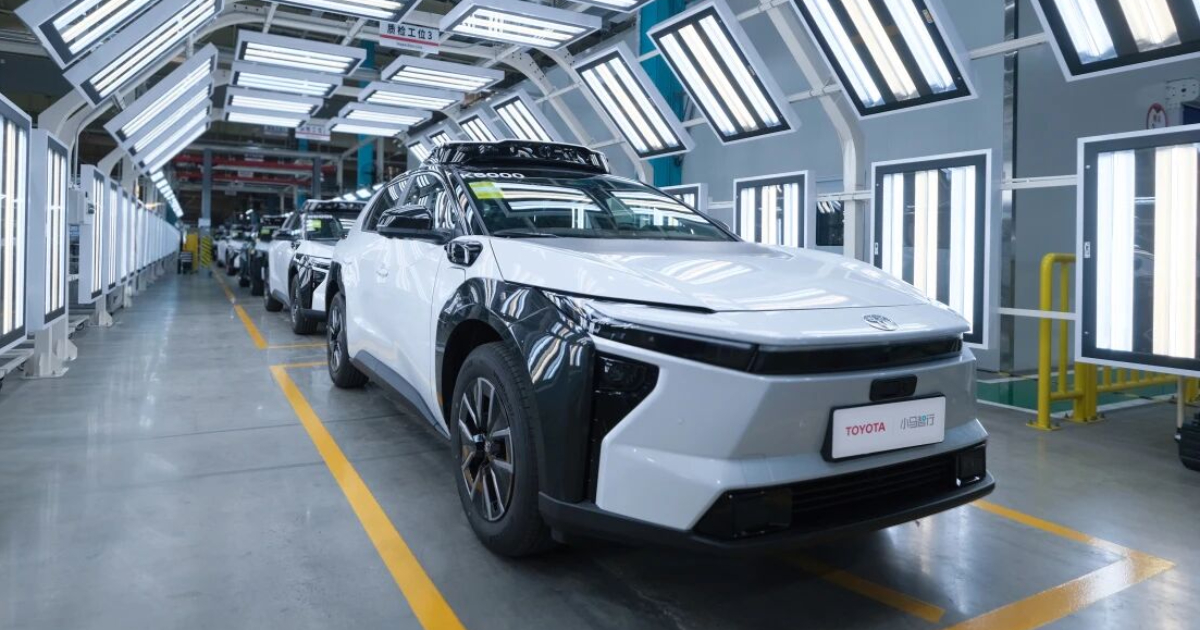
Externally, the robotaxi is almost indistinguishable from the regular bZ4X and is styled in Toyota's current design. The key difference is hidden inside: the vehicle is operated by Pony.ai's computing platform, developed based on years of trials in major Chinese cities, including Beijing, Shanghai, Guangzhou, and Shenzhen. According to the developers, the seventh-generation system has improved its handling of complex road scenarios and various weather conditions.
The collaboration between Toyota and Pony.ai began back in 2020, when the Japanese car manufacturer invested about €341 million in the company. Previously, Pony.ai's autonomous taxis used other Toyota and Lexus models, including the Sienna and RX450h.
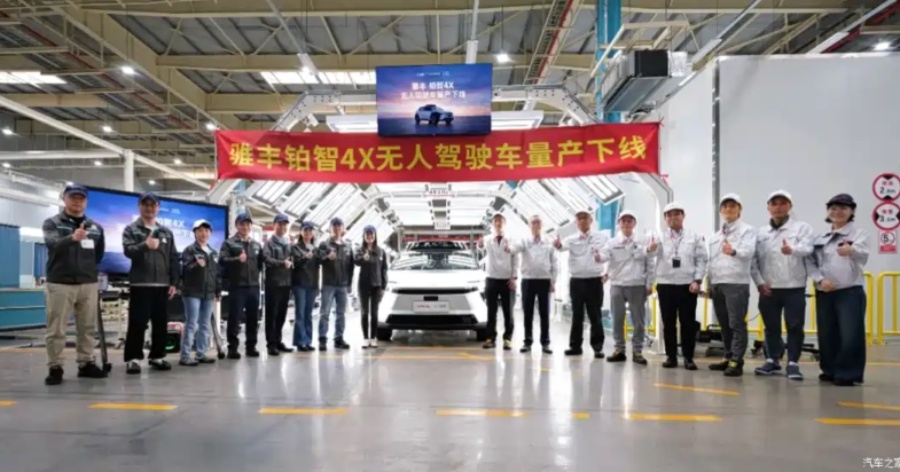
In the coming years, the partners intend to significantly expand the scale of the project. The joint venture GAC Toyota and Pony.ai plans to put thousands of bZ4X robotaxis on the roads by the end of 2026, starting with the largest cities in China.
Pony.ai is actively expanding its fleet of autonomous vehicles: from about 200 vehicles in 2024 to nearly 1,000 by the end of 2025, aiming to reach 3,000 units in 2026. In the long term, the company hopes to grow its fleet to 100,000 vehicles by 2030, after which it expects the project to become profitable.
Source: CarNewsChina

