

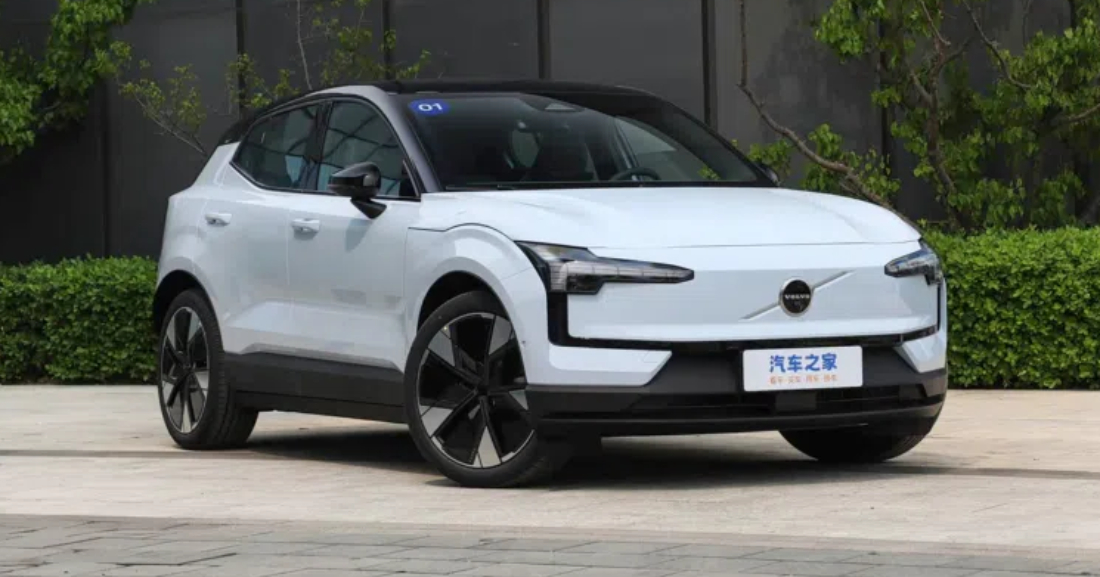
While Volvo continues to lead the registration statistics for compact electric SUVs in Europe with the EX30, parent company Geely is now picking up the pace in China. The 2026 model year presented today not only brings a more streamlined variant structure but also a significant response to the technical issues of recent times. With an entry price of 159,800 yuan, which corresponds to approximately 20,750 euros, Volvo is cutting costs – a value that could bring tears to the eyes of German customers given a local base price of over 36,000 euros.
The update primarily focuses on introducing the "RWD Plus" variant, which replaces the previous base model "Core." Despite the aggressive price, no expense was spared on equipment. Volvo integrates the Pilot Assist System including lane-keeping assist, an electric tailgate, a panoramic roof, and a Harman Kardon sound system as standard. A wireless smartphone charging function and electrically adjustable seats with memory function are also now part of the standard for the entry-level model. This is how the manufacturer responds to the enormous competitive pressure from local brands like BYD or Nio, which attract with full equipment in this segment.
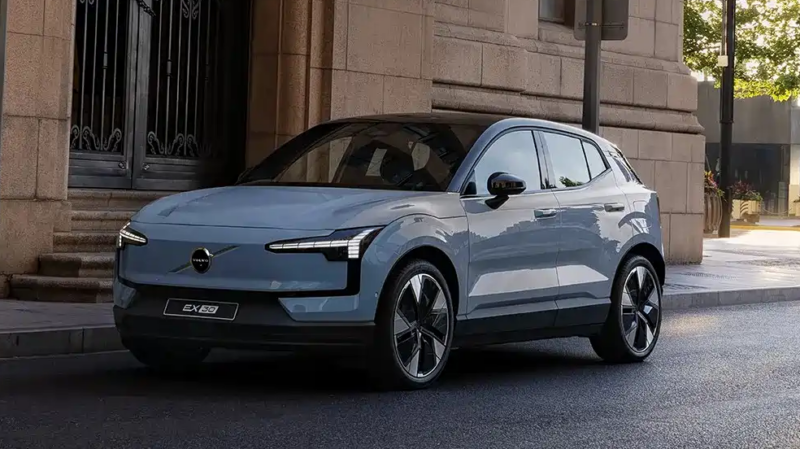 The updated Volvo EX30. Photo: Volvo
Battery Poker and Safety Aspects
Behind the scenes, however, the most exciting change seems to have taken place: cell chemistry and supplier structure. In February, Volvo had to recall over 40,000 units of the Volvo EX30 worldwide due to overheating problems posing a fire risk. The legal component here is interesting: A Geely subsidiary had sued the previous supplier Sunwoda for damages in the millions. For the 2026 model year, Volvo is now relying on lithium iron phosphate (LFP) batteries from Rept Battero for the base model, while the longer-range variants continue to use nickel manganese cobalt (NMC) cells from Sunwoda – the latter are now said to be technically revised and safe according to manufacturer information.
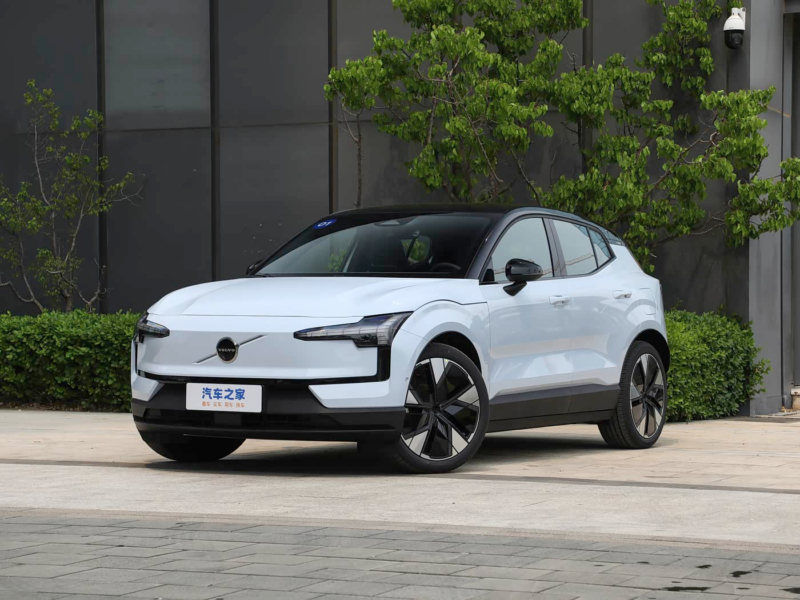 Compact rear, familiar look. Photo: Autohome
Technical Data at a Glance
Little has changed in the performance data of the Geely platform, which is hardly surprising given the already high-performance values. The rear-wheel drive variants continue to produce 200 kW (272 hp) and accelerate from 0 to 100 km/h in 5.3 to 5.7 seconds. The top version "AWD Performance Ultra" delivers 315 kW (428 hp) to the road, accomplishing the standard sprint in sports car-like 3.6 seconds. Ranges according to the Chinese CLTC cycle are between 410 km and 590 km, which under real-world conditions in Germany (WLTP) would correspond to about 340 km to 480 km.
For the German market, this update primarily means one thing: The pressure on pricing is increasing. Although Chinese prices are not directly transferable due to lower production costs and the absence of import duties, the improved standard equipment while simultaneously changing battery suppliers shows that Volvo wants to correct the mistakes of the first series as quickly as possible.

