

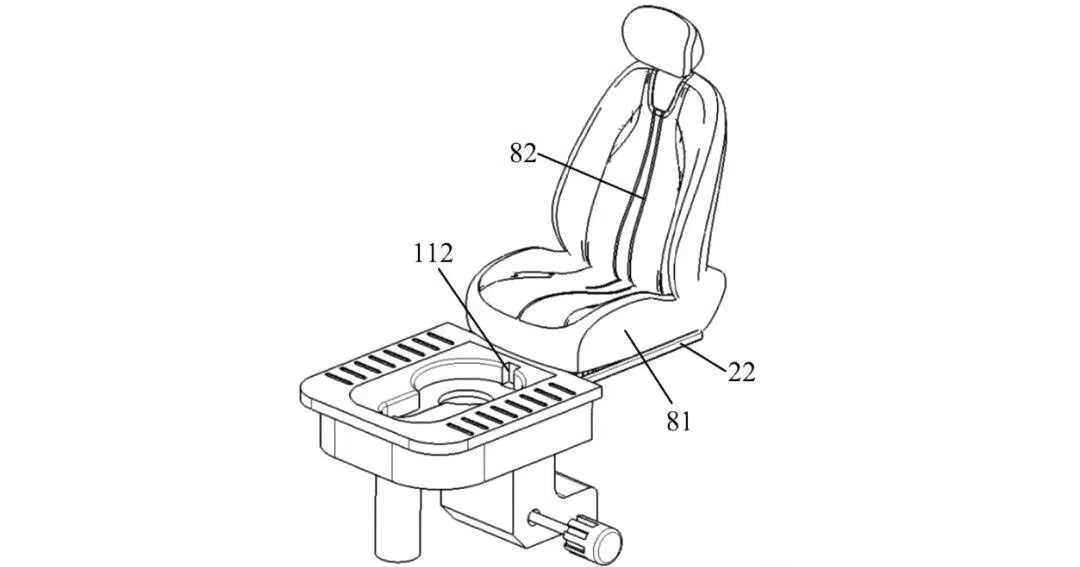
When it comes to comfort on the road, we usually mean massage chairs, quality acoustics, or large screens. However, the Chinese company Seres, which produces Aito-branded premium vehicles together with Huawei, decided to go much further. Perhaps true luxury is the ability not to look for the nearest restroom during a long journey or when stuck in traffic.
Recently, it was revealed that Seres received a patent for a utility model titled "toilet built into a vehicle and car". Patent number CN224104011U was filed back in April 2025, and its official approval took place on April 10, 2026.
Hidden design and mechanics
According to the patent description, the device consists of a toilet body and a special mechanism with guides. The main feature is the maximum space saving. The toilet is installed directly under the passenger seat. When needed, the structure extends forward, and after use, it retracts back, becoming completely invisible in the interior.
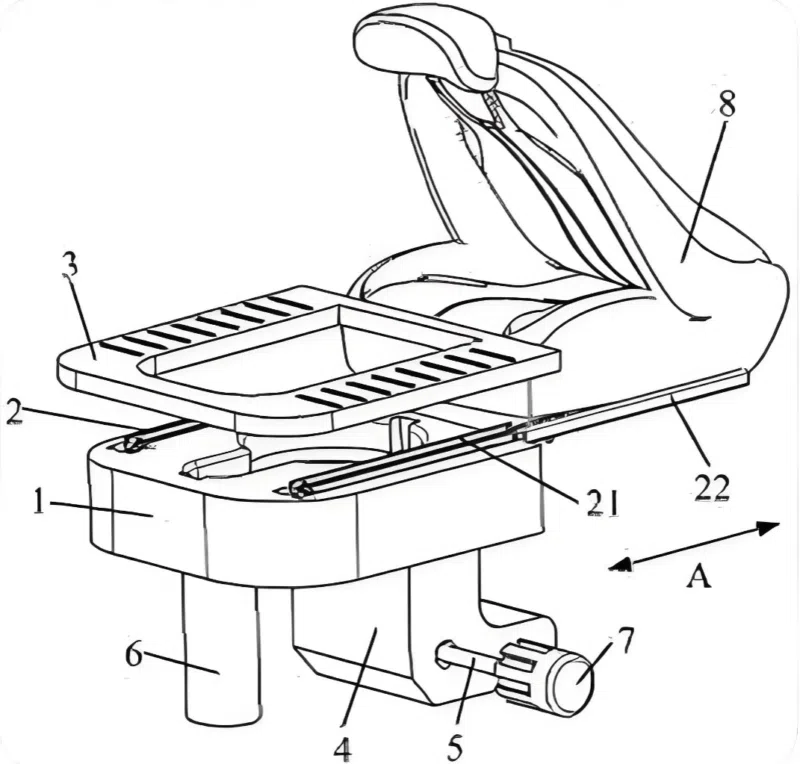 Diagram of element placement under the seat. Photo: Seres
This approach is significantly different from previous attempts by other manufacturers. For example, the Polestone brand previously offered a portable option where the toilet seat was stored in the central box and used with disposable bags. Seres’ solution appears to be a much more complex and integrated system.
Engineering and psychological challenges
Despite the technological novelty, introducing such an option into mass production comes with a number of problems. The main difficulty lies in the layout of modern electric vehicle chassis. In the Aito line models, almost all the space under the floor is occupied by a massive battery. Placing drainage pipes and a waste tank requires a serious revision of the vehicle architecture.
In addition to technical aspects, there are other factors:
- Sealing: ensuring complete isolation from unpleasant odors in the enclosed cabin space
- Maintenance: reliability of moving parts and ease of cleaning the system
- Psychology: the willingness of users to use the toilet directly in the car
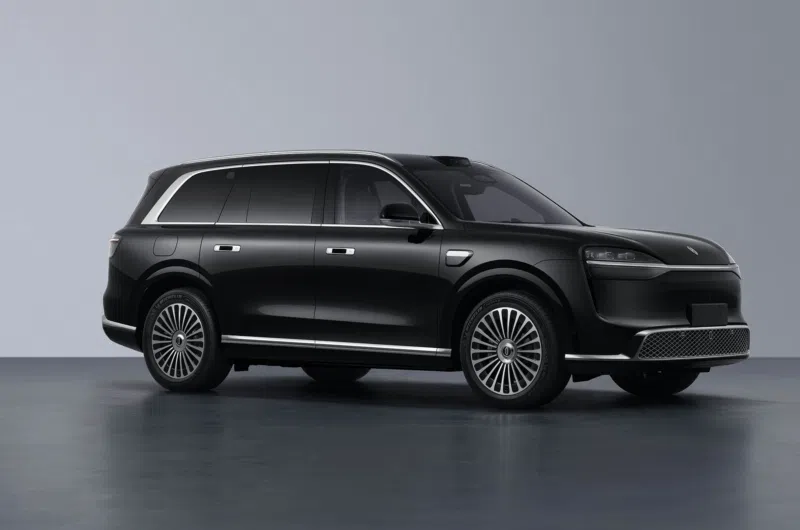 Flagship Aito M9 crossover where such an option may appear. Photo: MIIT
It is currently difficult to say whether this development will become widespread. Most likely, we will see it as an exclusive additional option for VIP versions of large SUVs or minivans. Although skeptics may call it another marketing gimmick, for those who spend several hours a day on the road, such functionality may prove far more useful than another screen on the front panel.

