

The interior of the Xpeng GX features the classic 2+2+2 layout typical of premium Chinese crossovers. The main focus is on the second row: here are installed separate seats with the so-called "zero gravity". They have extended rails for adjustment, electric footrests, and apparently a set of massage functions. The third row also didn't go unnoticed — it received full-fledged headrests and the ability to fold into a flat floor, turning the trunk into a huge cargo compartment.
Digital Space and Privacy
The front panel looks minimalist but expensive. The central place is occupied by a large screen with thin bezels, complemented by a digital instrument panel and an advanced AR-HUD (augmented reality projection display). Interestingly, under the steering wheel are two separate physical buttons, which likely correspond to the fast activation of the branded driver assistance systems. The central console offers wireless charging for two smartphones and a capacious niche under it, easily accommodating backpacks or umbrellas.
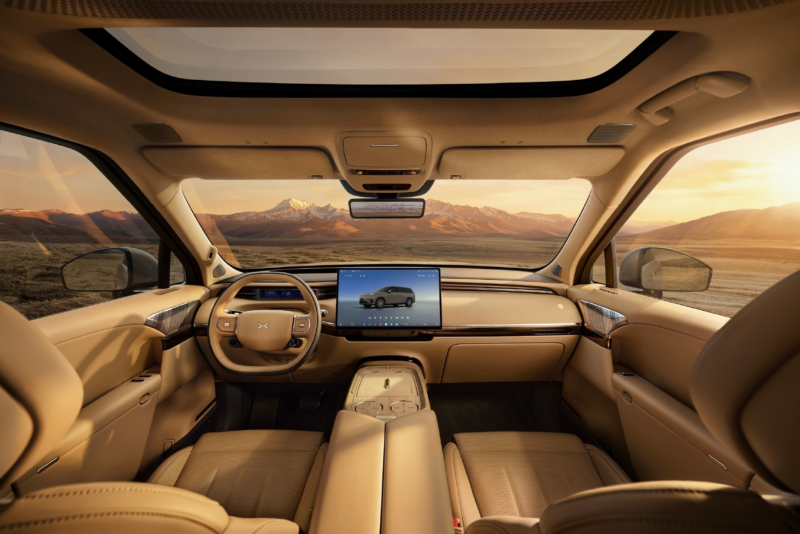 Digital instrument panel and multimedia. Photo: Xpeng
One of the main features of the Xpeng GX is the world's first AI-dimming glass for the rear of the cabin. The technology allows changing the transparency of the windows of the second and third rows in just 0.16 seconds. This is significantly faster than existing analogs and allows for instantly creating a private atmosphere or shielding from bright sunlight.
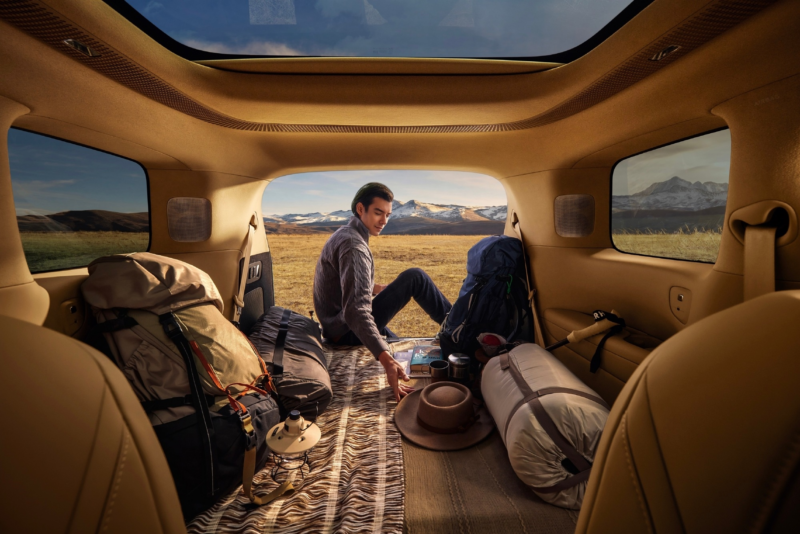 Photo: Xpeng
Technical Foundation and Dynamics
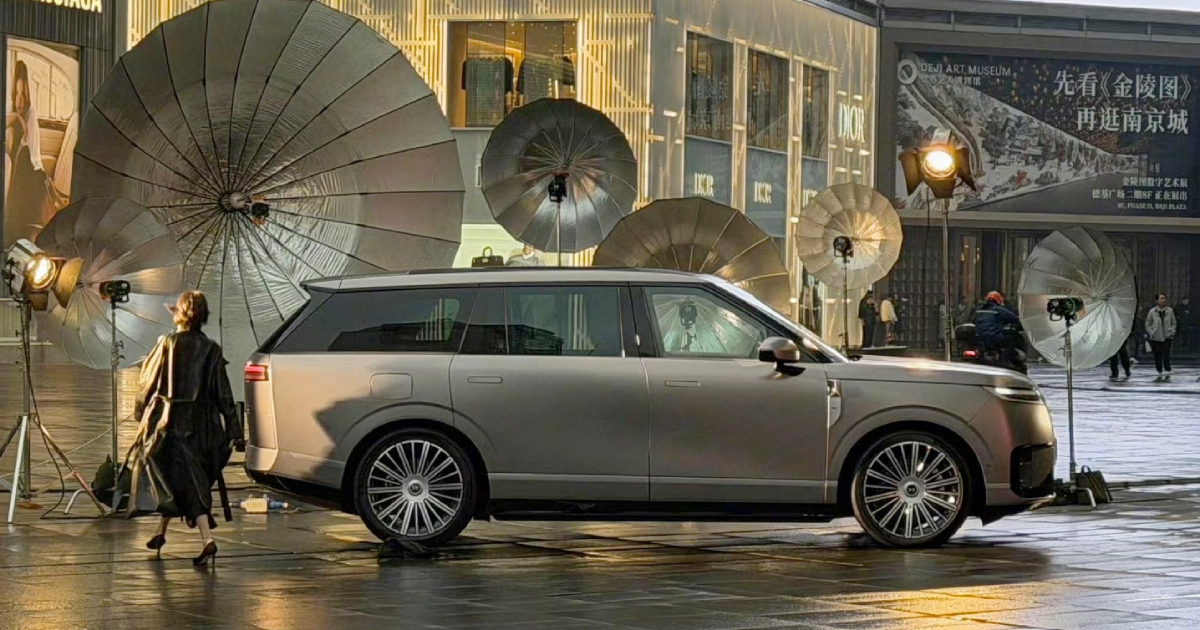
The dimensions of the crossover are impressive: the length is 5265 mm, the width is 1999 mm, and the wheelbase is 3115 mm. Despite these dimensions, the GX promises to be maneuverable thanks to the "steer-by-wire" system and rear-wheel steering. Buyers will be offered two powertrain options: a pure electric vehicle (BEV) and a range extender version (EREV).
- Platform: 800-volt architecture for fast charging
- Battery: support for 5C standard (charging to 80% in minutes)
- Dynamics: acceleration to 100 km/h within 4.0 seconds
- Range: up to 750 km on a single charge for the electric version
The official sales start is scheduled for April 15. The expected price in China will be less than 400,000 yuan, which converts to approximately $58,000. The main competitors in the market will be the popular Li Auto L9 and Aito M9.

