

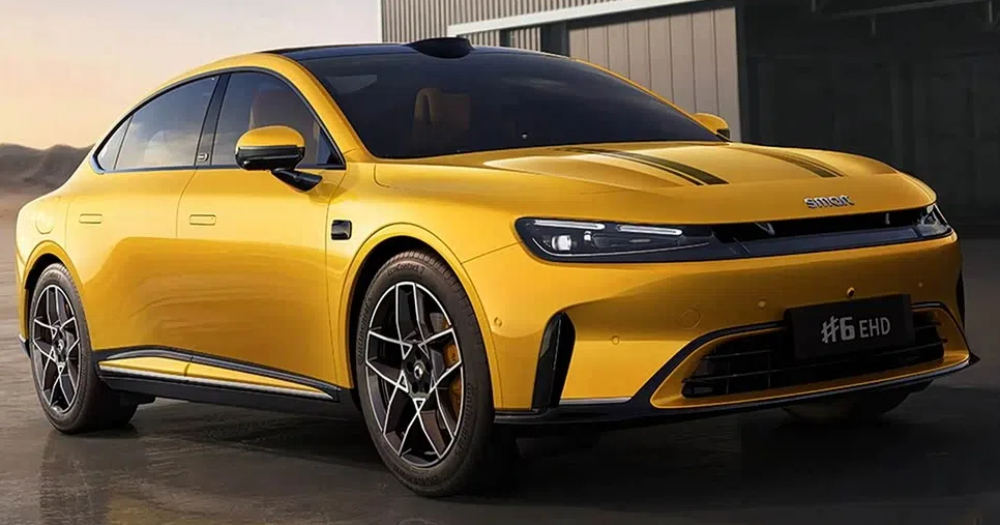
Once the Smart brand was synonymous with tiny urban cars that could be parked perpendicularly to the curb. However, under Geely's management, the strategy shifted to "bigger, heavier, more expensive." The results of this experiment now look, at best, ambiguous. While the brand management is trying to convince the market that Smart is now about premium crossovers, the buyers themselves seem to categorically disagree.
When size doesn't matter for sales
According to the latest data from the China Association of Automobile Manufacturers, Smart sold only 29,986 vehicles in the past year. What's most interesting here is the model distribution. The smallest and oldest in the lineup, Smart #1, accounted for 64% of all sales. Meanwhile, the large crossovers #3 and #5, which were the main focus, showed a modest 14% and 22% respectively.
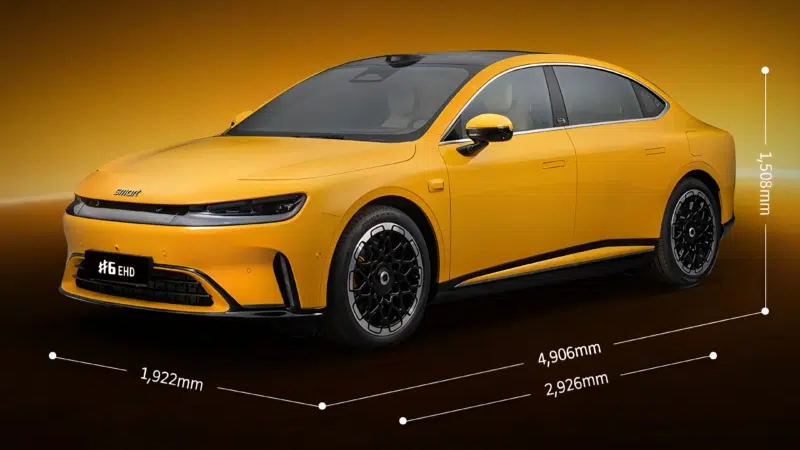 Dimensions of the new Smart #6. Photo: Smart
The failure of the flagship, Smart #5, has been particularly painful. This crossover, actively promoted as the brand's technological pinnacle, is selling so poorly that dealers have literally started "dumping" stock supplies. In Chongqing, new, mileage-free Smart #5 in the Long-range Luxury version is offered with a discount of 100,000 yuan, equivalent to $14,500. Thus, a car priced at $39,100 is being sold for $24,600.
Technological stagnation amidst competitors
The problem is not only in size but also that Smart has begun to lose the technical race within Geely's own empire. While Smart #1 in 2026 still offers a charging power of 150 kW (as in 2022), competitors on the same Sustainable Experience Architecture (SEA) platform, like Lynk & Co Z20, are already supporting fast charging up to 300 kW. Smart buyers receive outdated hardware in a new package, which hardly fosters brand loyalty amid fierce competition.
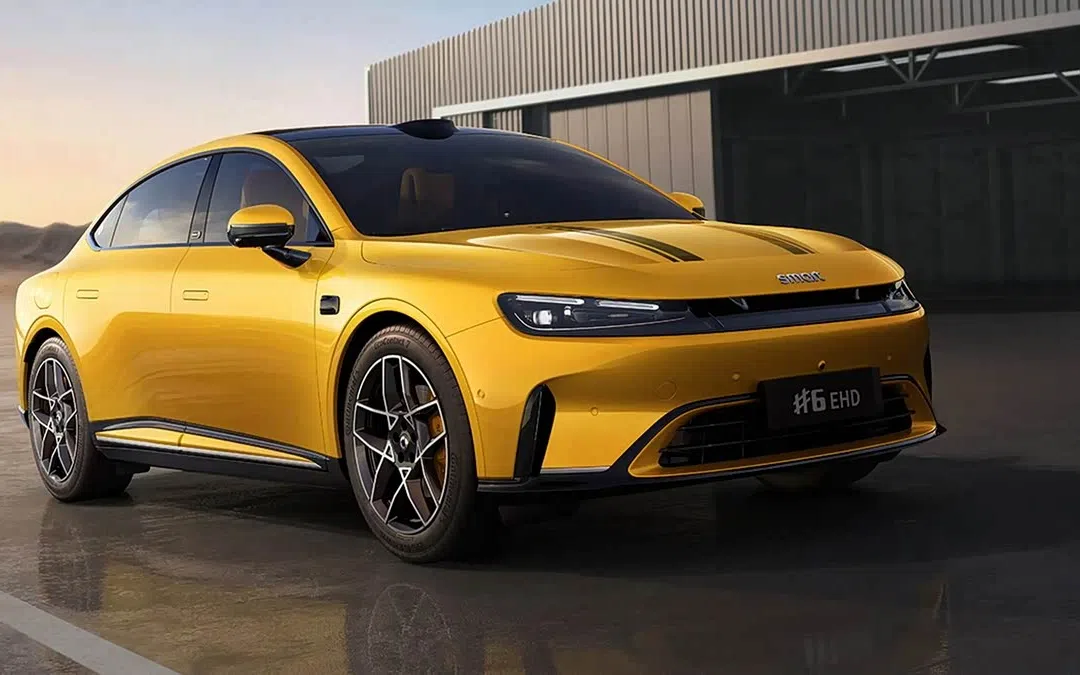 Sedan Smart #6. Photo: Smart
Smart #6: Leap into the abyss or a new chance?
Despite the obvious problems with large formats, the next step for the company will be Smart #6. This sedan, nearly 5 meters long with a wheelbase of 2,926 mm, is the longest car in the brand’s history. It is expected to enter the $29,000 - $43,500 segment, where it will compete with such titans as Xiaomi SU7 and Tesla Model 3. So far, no manufacturer in China has managed to seriously challenge the positions of these two models in the specified price range.
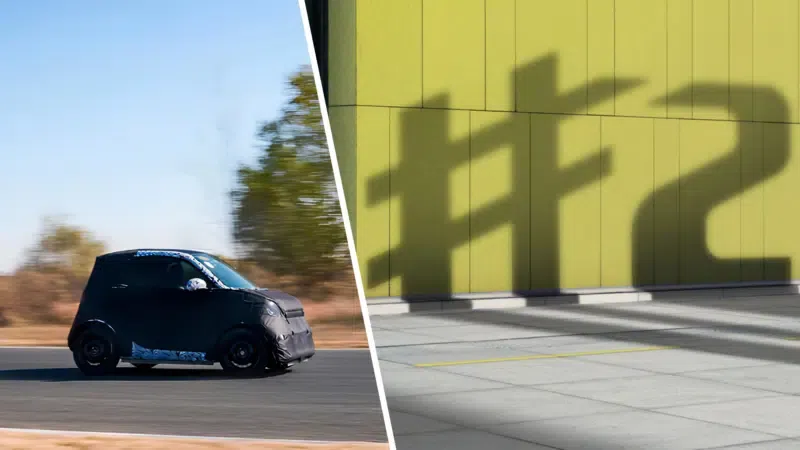 Future urban Smart #2. Photo: CarNewsChina
It seems that Smart is finally realizing that the brand is losing its DNA. The company's CEO Tong Xiangbei confirmed that after the release of the large sedan, the brand will finally return to its roots. In April 2026, at the Beijing Auto Show, the Smart #2 is set to debut—a compact two-seater electric car on a new platform. Perhaps it is this return to the city car format that will save the brand from ultimately dissolving among the dozens of similar Chinese crossovers that have flooded the market.

