

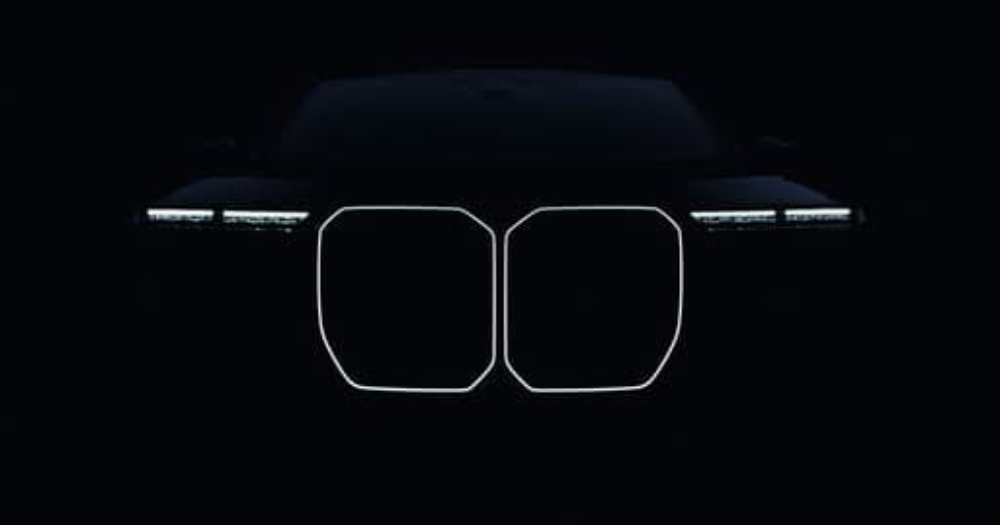
The Bavarians have decided that it is time for serious changes in their flagship electric sedan. Although the BMW i7 is formally only preparing for a planned facelift, the car’s technical features will change more radically than one might expect from a typical mid-life update. The main news is the transition to battery technology from the Croatian company Rimac.
Cylindrical lithium-ion cells 4695
The key change in the updated i7 is the abandonment of prismatic power elements in favor of Gen6 cylindrical cells of the 4695 format. The new architecture allows for a 20% increase in energy density. For the owner, this means that with the same battery size, the car will be able to travel a longer distance on a single charge.
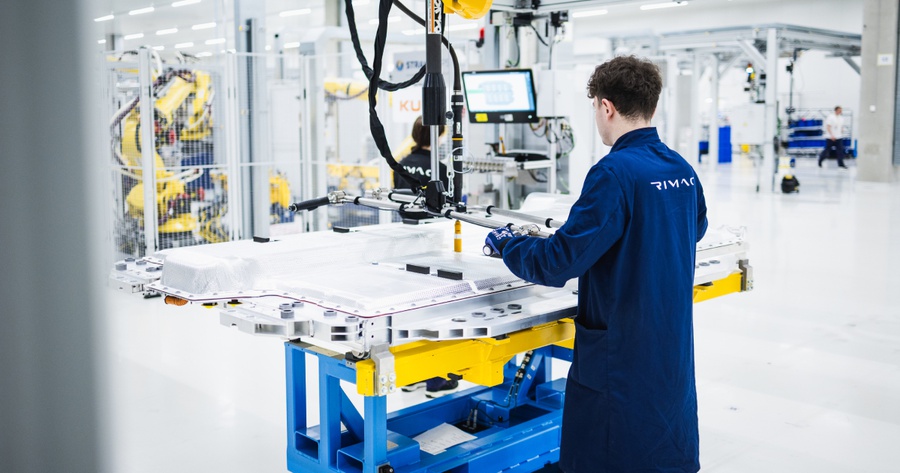
The development and production of these battery blocks are carried out by Rimac Technology, which integrated the lithium-ion cells into the BMW Gen5 modular system. The production of the batteries themselves is launched at a new Rimac campus near Zagreb (Croatia), from where the finished modules will be sent to the factory in Dingolfing (Germany) for final car assembly.
The largest contract
Collaboration between BMW Group and Rimac didn’t start yesterday. Although the official partnership was announced only in 2024, company founder Mate Rimac admitted that secret work had been ongoing since 2022. For the Croatian side, this is a deal of the century: it not only keeps the company’s capacities loaded for years to come, but also effectively legitimizes Rimac as a first-tier supplier to global automotive giants.
Issue of speed and voltage
While BMW keeps the exact charging power numbers secret, it promises the process will be "significantly faster." The current i7 model has a peak charging power of 195 kW, allowing a range increase of 170 km in 10 minutes. It is expected that the new battery will bring it closer to the figures of the future Neue Klasse range, with up to 400 kW stated.
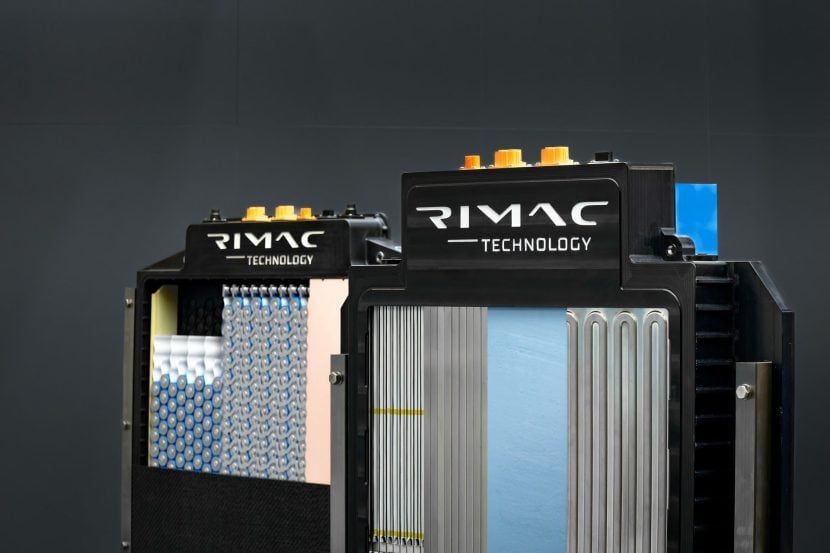 Photo: Rimac
However, there is a nuance here: the i7 is still based on the CLAR platform, which does not have an 800-volt architecture. Without switching to higher voltage, reaching the peak 400 kW will be technically difficult, but optimizing Rimac’s battery chemistry and cooling system will certainly allow maintaining high charging power longer, reducing overall terminal stay time.
The official premiere of the updated BMW 7 Series and the electric version of the i7 will take place on April 22 at the Beijing Auto Show. It is expected that similar technology will subsequently be implemented in the ALPINA branded version.

